Structural capacity of reinforced concrete floor slab


Client:
Location:
Service:

Portland Port Group

Portland

Non-destructive Testing

Client:

Helsing

Location:

Devon Facility

Service:

Non-destructive Testing

What the client wanted

Helsing wanted to know the structural capacity of an existing reinforced concrete floor slab within their production facility to support the installation of a large water 90 t tank and a 5 m tall 3 t pedestal swing. The proposed tank measured approximately 11.0 m × 3.3 m x 4.5 m and was expected to contain up to 4 m depth of salt water, generating significant static loads on the existing structure. The client required assurance that the floor could safely support the installation without extensive intrusive investigations or costly strengthening works.

The Challenge

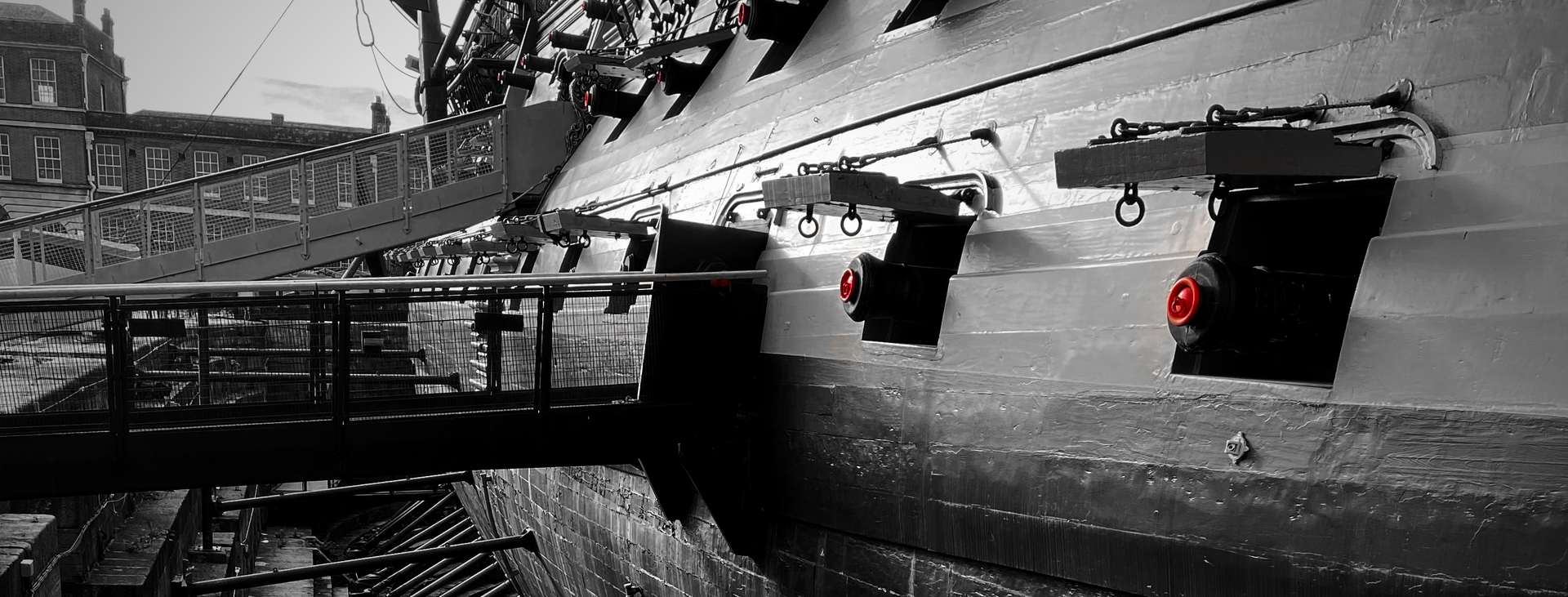
Removing the masts from the world's oldest commissioned warship presented a unique combination of engineering, operational and heritage risks. The project involved lifting irreplaceable historic structures using a 750-tonne crane and specialist lifting equipment, with all works carried out overnight to maintain a controlled and safe working environment. 


The client needed independent engineering assurance to validate the lifting strategy, manage project risks and support the safe execution of this highly complex operation.

Our approach

Attis provided engineering and safety expertise throughout the planning and delivery phases of the project. Acting as a trusted advisor and critical friend, we helped finalise the mast lift safety case, provided ongoing assurance, monitored progress and supported the project team throughout the overnight lifting operation. 

The Challenge

The installation of a large water-filled tank presented a substantial loading demand on the existing factory floor. Traditional design information for the slab was unavailable, and the previous plate loading tests were insufficient to verify its capacity with confidence. The client required an evidence-based assessment that would:


  • Determine the actual load-bearing capacity of the floor.
  • Verify whether the proposed tank could be installed without structural strengthening.
  • Identify any load-spreading measures necessary to safely distribute the tank loads.
  • Avoid disruptive intrusive investigations and operational downtime.


The client requested that, where necessary, design recommendations be provided to address any floor loading restrictions identified during the assessment. 

Our Approach

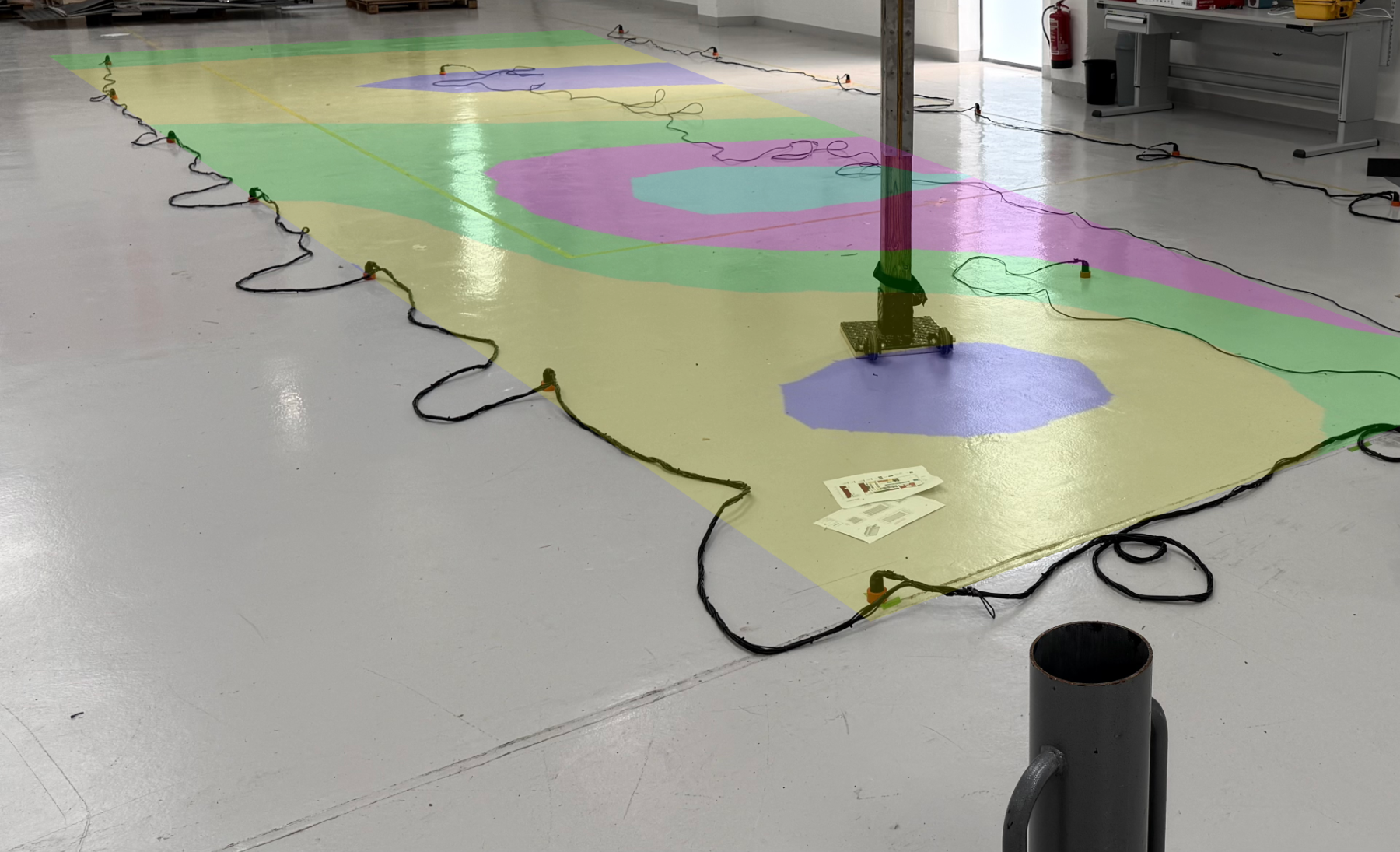
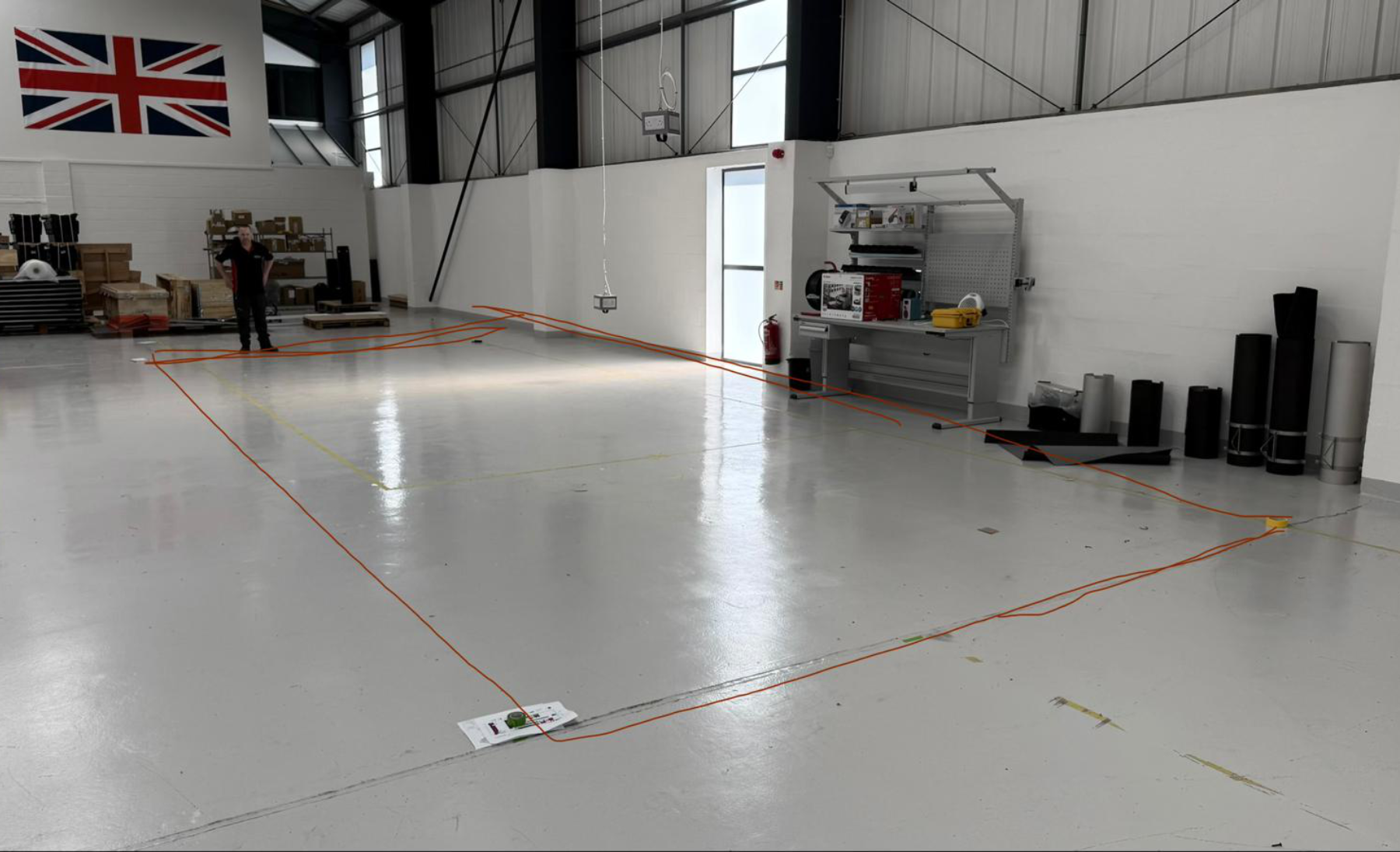
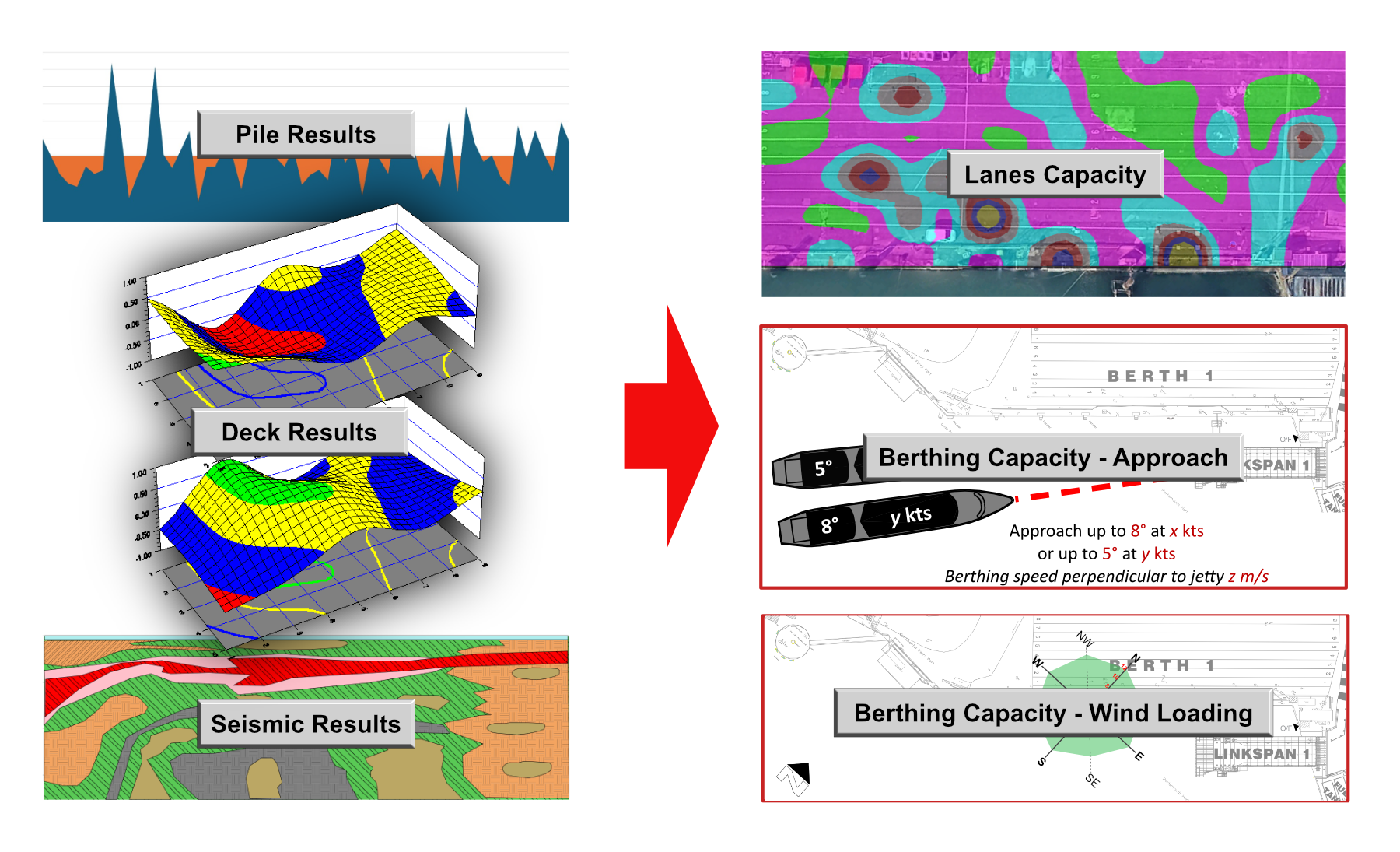
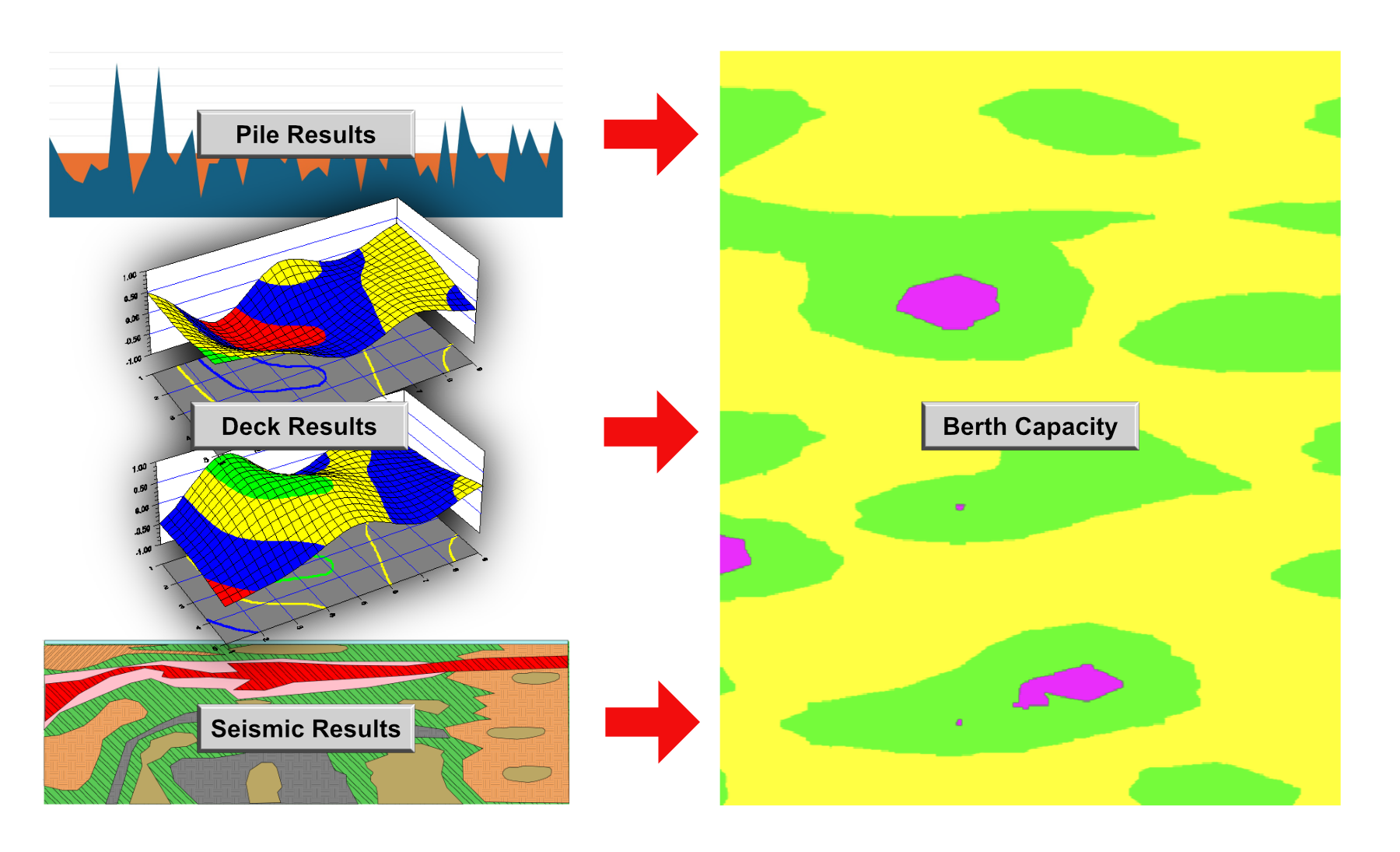
Attis undertook a non-destructive investigation of the floor slab using Dynamic Bridge Testing System (DBTS™) methodology across a 4.5 m x 11 m test area encompassing the proposed tank location. The non-destructive testing process utilised an array of transducers to record structural responses generated from controlled excitation of the slab. The resulting data were analysed to identify modal behaviour and develop detailed load capacity heat maps across the assessment area.


The testing established the floor loading capacities allowing Attis to accurately quantify the slab's serviceable and ultimate load performance, and assess the interaction between the water tank and surrounding structural elements.


Outcomes

  • Testing undertaken within a 2-hour window without impact to operations.
  • Verified structural suitability using non-destructive testing. 
  • Eliminated the need for intrusive coring and exploratory works. 
  • Avoided unnecessary floor strengthening costs. 
  • Provided quantified structural capacity data to support design decisions.
  • Enabled safe installation of a large-capacity water tank within an operational facility. 
  • Delivered a rapid and cost-effective engineering assessment.
  • Provided guidance on improving the design.


"Our plan to install a large water tank meant we needed to know the strength of the floor in the factory. Attis responded quickly to our request and deployed their non-destructive testing methodology. The results were encouraging, showing us that the floor was indeed strong enough to take the weight of the water tank. It did highlight, however, some minor weaknesses which we were able to avoid by adjusting the design, saving us valuable time and money in the process."

Glenn Sutherland

Facilities Manager, Helsing

Case Studies

By Andy Painting • November 16, 2026
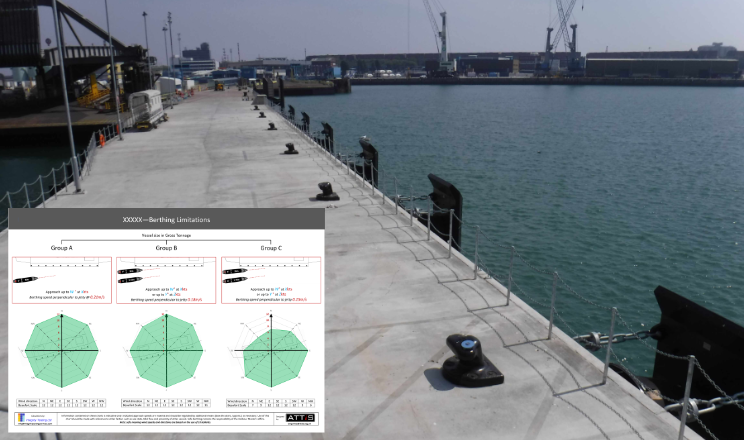
Berthing capacity informing operational decisions
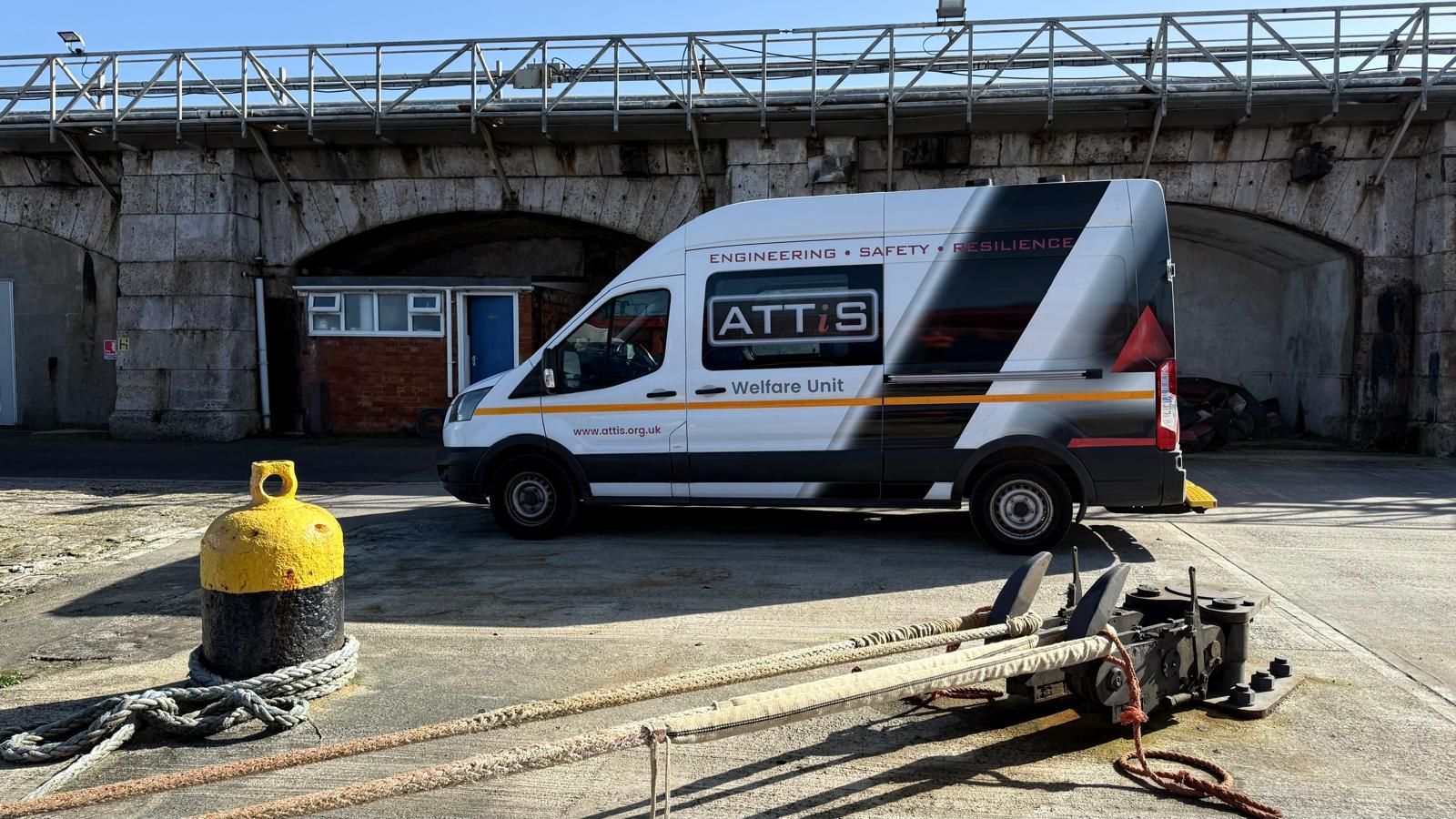
By Andy Painting • November 12, 2026
Non-destructive testing and remedial recommendations
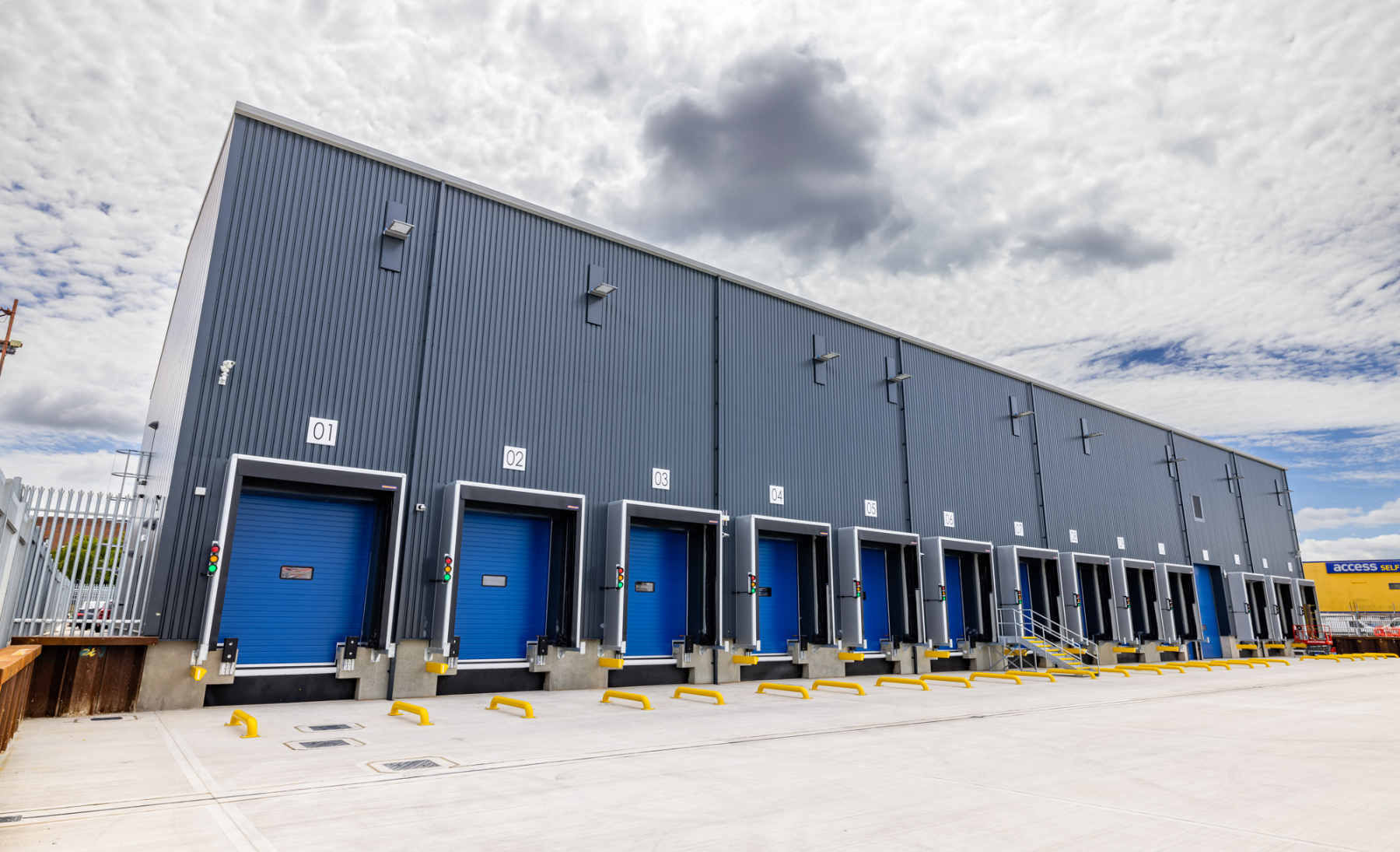
By Andy Painting • November 12, 2026
CDM Principal Designer support and guidance
By Andy Painting • November 12, 2026
Non-destructive deck testing and identification of issues
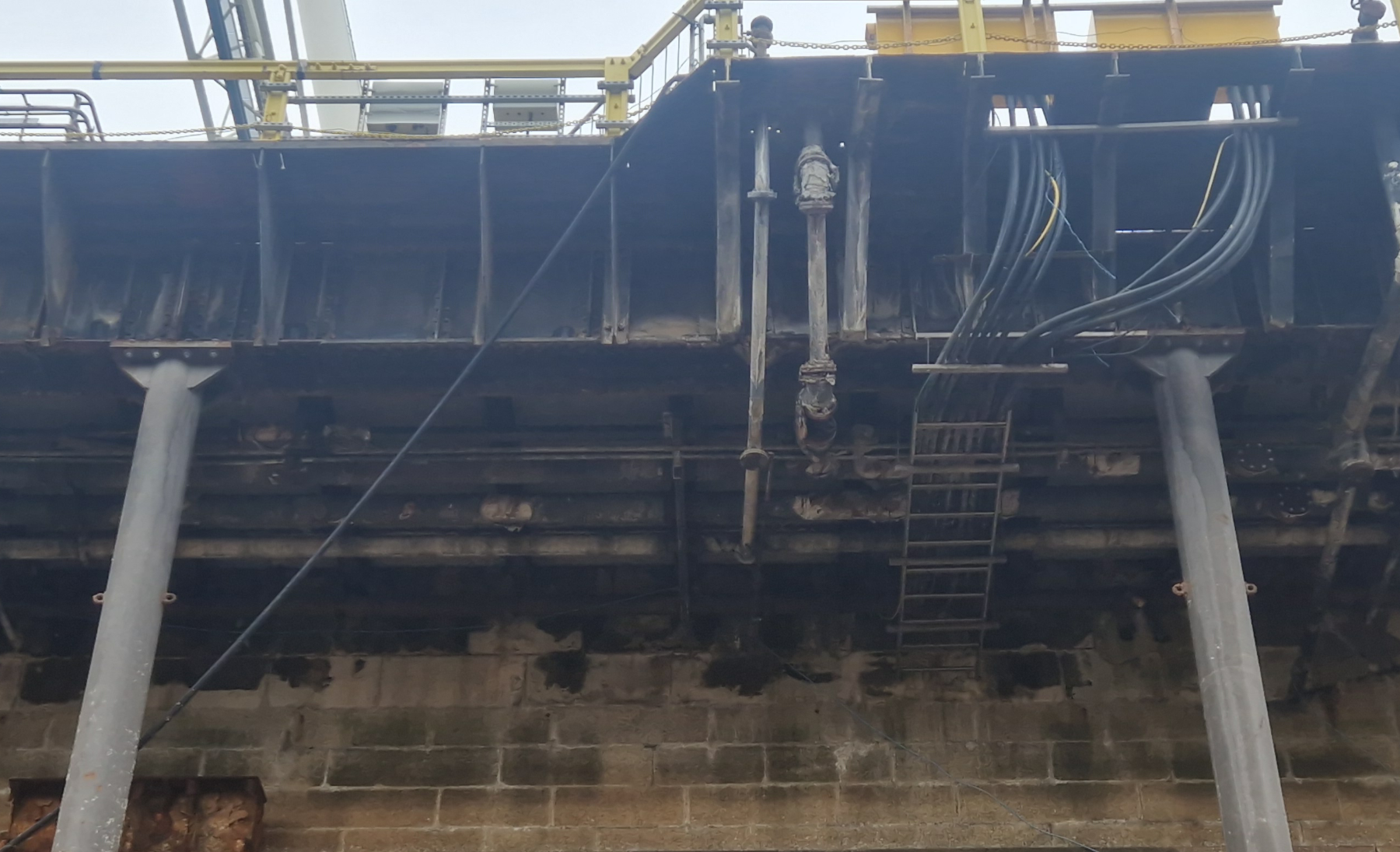
By Andy Painting • November 8, 2026
Critical structural assurance through non-destructive testing
By Andy Painting • November 8, 2026
Informing the decision makers
By Karl Salter • November 7, 2026
Non-destructive testing when access to structure is limited
By Karl Salter • November 7, 2026
Non-destructive testing of bollards
By Karl Salter • November 7, 2026
Independent engineering safety assurance