Portland Port Bollard Testing Programme


Client:
Location:
Service:
Portland Port Group

Portland

Non-destructive Testing

Client:

Portland Port Group

Location:

Portland

Service:

Non-destructive Testing

What the client wanted

Portland Port Authority required a structured programme of asset assurance across its extensive mooring infrastructure to establish the condition, safe working loads and operational capability of critical bollards located throughout the port estate. The programme formed part of a planned three-year inspection cycle designed to spread assessment costs while creating a comprehensive understanding of asset condition and performance across the entire port.


The Year 1 programme included the survey and testing previously untested mooring bollards together with the retesting of several assets that had undergone remedial bolt retorquing following recommendations from an earlier assessment by Attis. Portland Port required reliable, evidence-based information to support operational decision-making, maintenance planning and long-term asset management. 

The Challenge

Removing the masts from the world's oldest commissioned warship presented a unique combination of engineering, operational and heritage risks. The project involved lifting irreplaceable historic structures using a 750-tonne crane and specialist lifting equipment, with all works carried out overnight to maintain a controlled and safe working environment. 


The client needed independent engineering assurance to validate the lifting strategy, manage project risks and support the safe execution of this highly complex operation.

Our approach

Attis provided engineering and safety expertise throughout the planning and delivery phases of the project. Acting as a trusted advisor and critical friend, we helped finalise the mast lift safety case, provided ongoing assurance, monitored progress and supported the project team throughout the overnight lifting operation. 

The Challenge

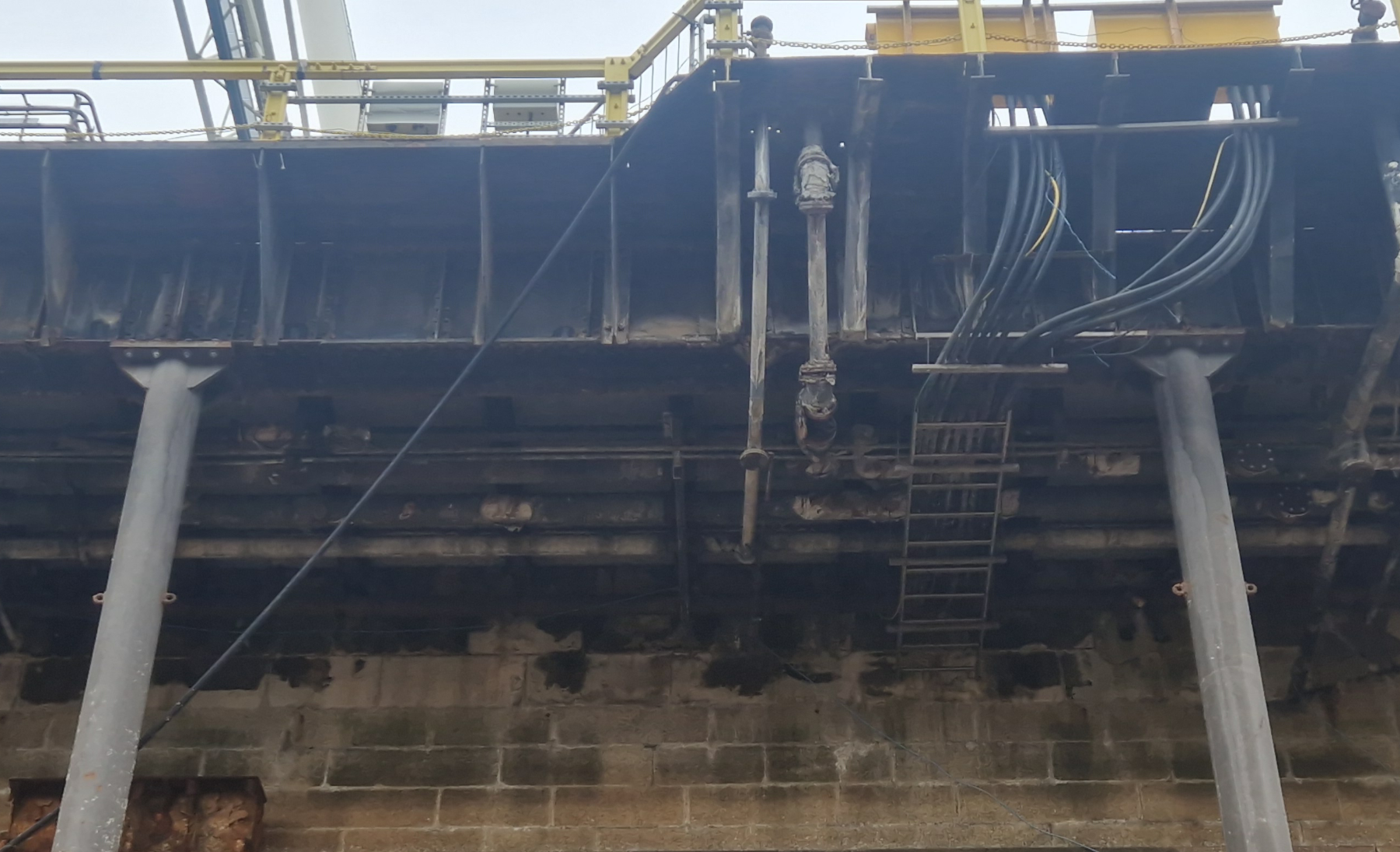
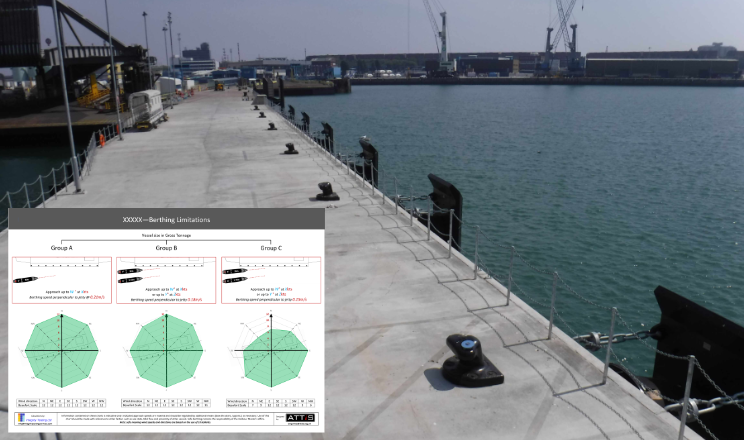
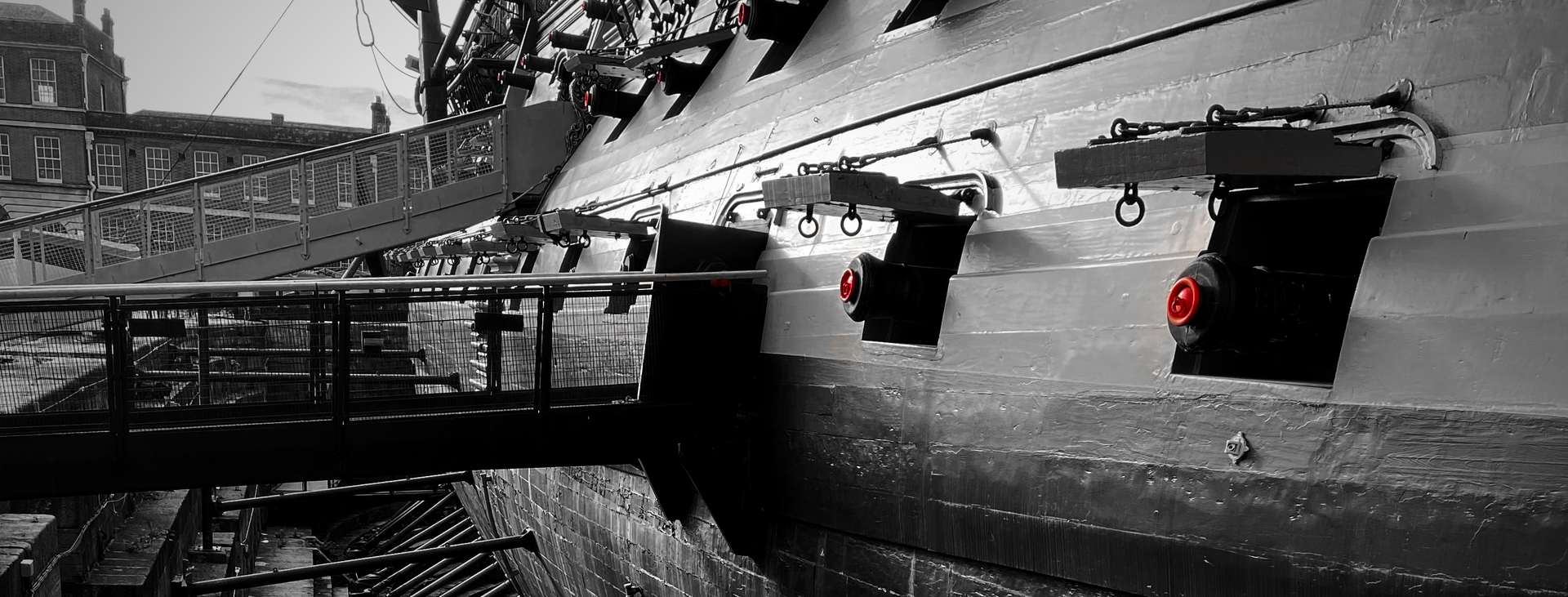
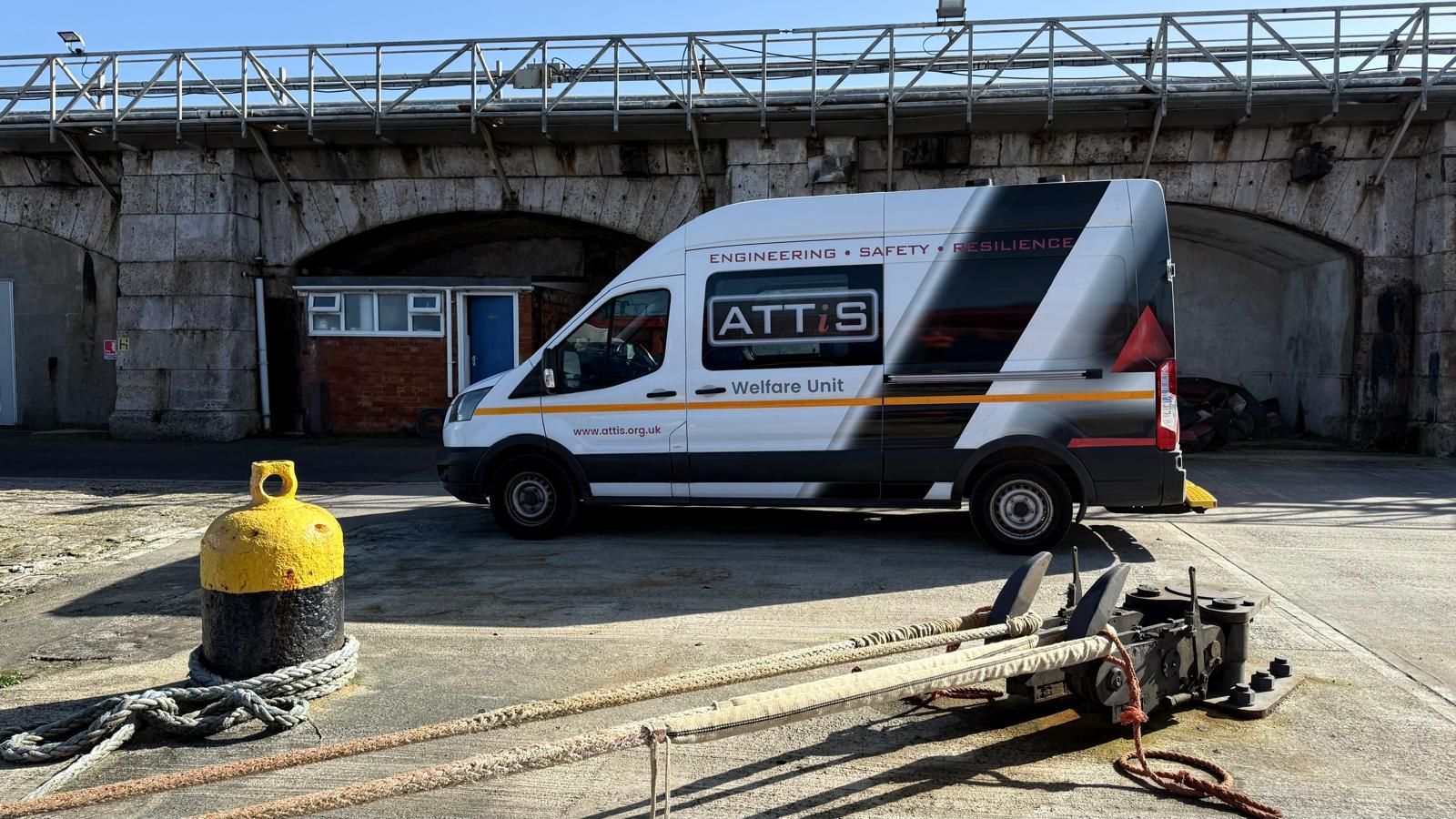
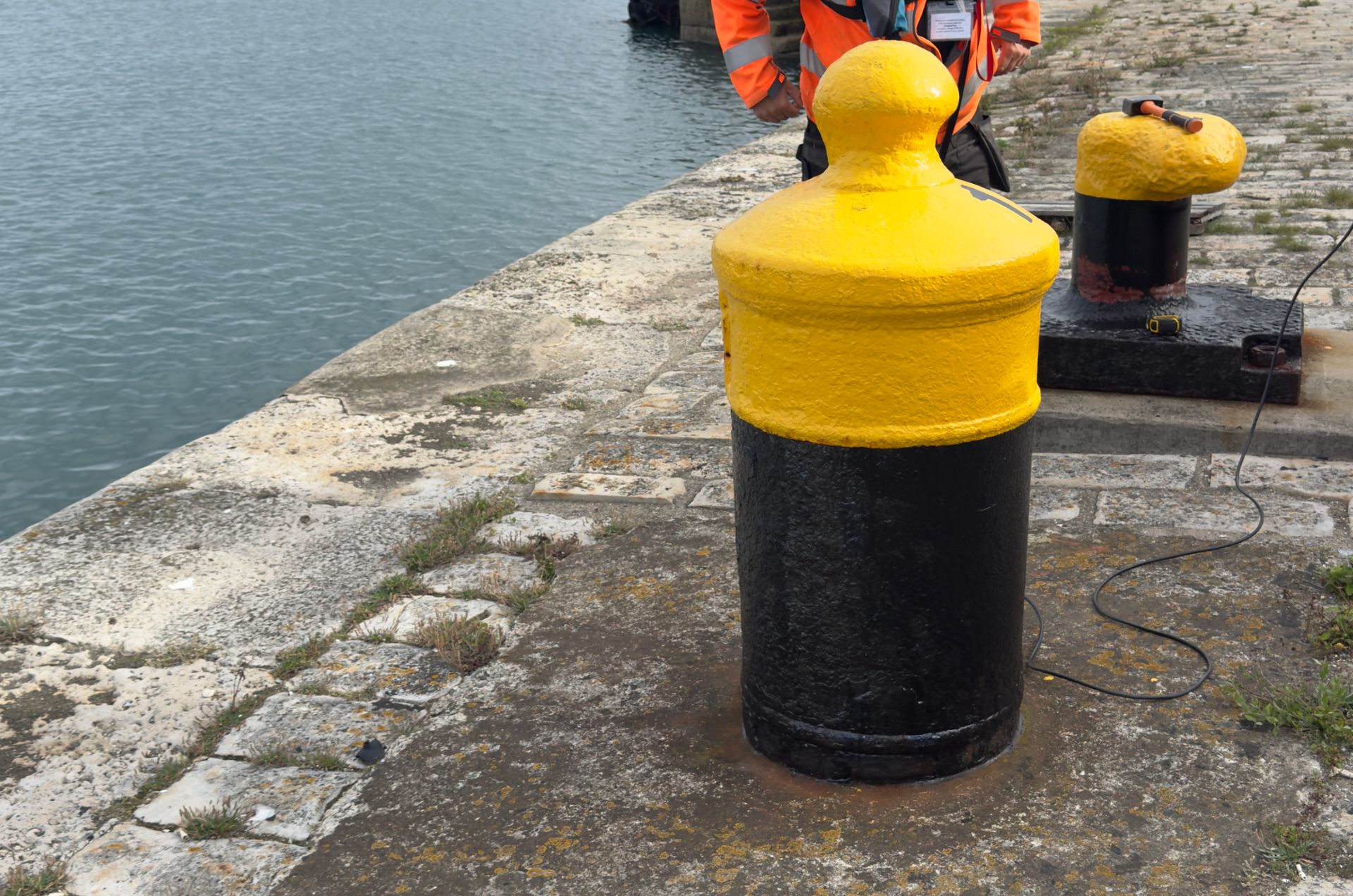
Portland Port operates a diverse range of berths, jetties and marine structures serving commercial, cruise, military and specialist marine activities. The mooring infrastructure includes a wide variety of bollard types, ages and installation arrangements spread across multiple operational locations. This variety of assets includes several canons that are successful used as bollards.


Traditional proof load testing can be disruptive, expensive and potentially damaging to ageing infrastructure. The Port therefore required a solution capable of determining the true in-situ condition and capacity of its assets whilst minimising operational disruption and avoiding the risks associated with conventional load testing.


An additional challenge was validating whether relatively simple maintenance interventions, such as bolt retorquing, could restore or improve asset performance without the need for extensive repair or replacement works. 

Our Approach

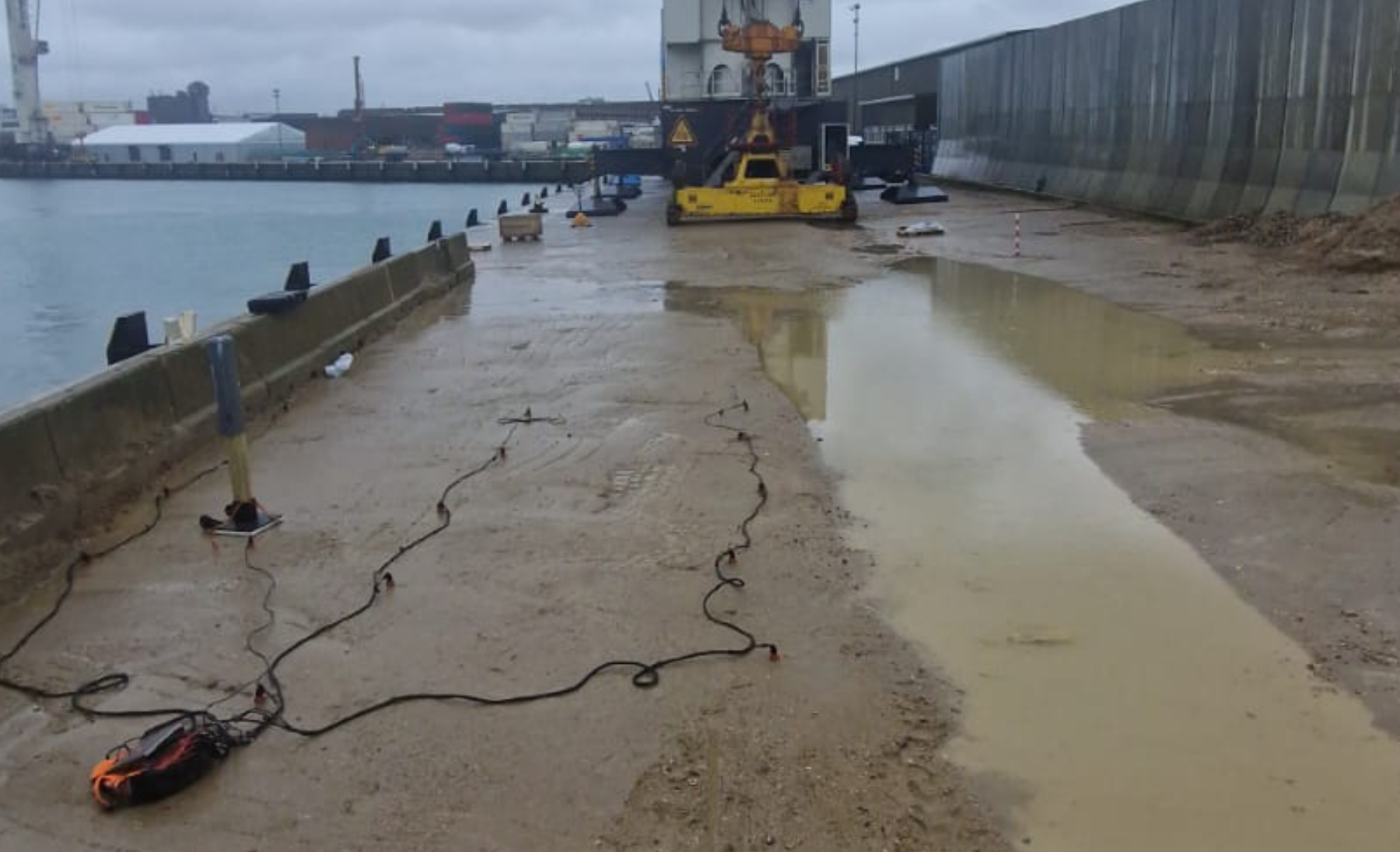
Attis undertook a full programme of visual inspections, engineering surveys and advanced non-destructive testing across multiple berth locations.

The assessment utilised the specialist non-destructive ModShock™ testing methodology, enabling the true in-situ performance of each bollard and its foundation system to be evaluated without imposing damaging loads on the asset. The approach assessed foundation condition, fixity, surrounding structure interaction and operational loading performance across multiple loading directions.


The programme combined condition surveys with capacity testing, allowing engineering recommendations to be linked directly to measured performance rather than relying solely on visual observations. This enabled the Port to clearly distinguish between assets requiring maintenance intervention and those that remained fully capable of supporting operational requirements.


Particular attention was given to the reassessment of previously identified assets that had undergone bolt retorquing, allowing Attis to demonstrate the measurable benefit of proactive maintenance interventions on bollard capacity and operational performance. 


Outcomes

  • Successfully surveyed and tested mooring assets across multiple operational berth locations throughout Portland Port. 
  • Provided verified safe working loads for each asset, creating an evidence-based foundation for future mooring operations and engineering decision-making. 
  • Demonstrated that simple maintenance interventions can deliver significant operational benefits, with most of the retorqued bollards showing measurable increases in safe working load capacity following remediation. 
  • Reduced future operational risk by identifying targeted maintenance requirements before failures could occur. 
  • Delivered a long-term asset management dataset supporting inspection planning, maintenance prioritisation and lifecycle investment decisions.


"The Portland Port mooring asset programme provided valuable insight into the condition and capability of our bollard infrastructure across multiple operational areas of the Port. The ability to accurately determine asset capacities, prioritise maintenance activities and demonstrate the benefits of proactive interventions has strengthened our asset management approach and provided confidence in the continued operation of these critical maritime assets. The added advantage of knowing whether bolts should be re-torqued allowed us to re-life our assets using our own maintenance teams."

James Green 

Landside Operations Director, Portland Port Group

Case Studies

By Andy Painting • November 12, 2026
Client: Location: Service:
By Andy Painting • November 12, 2026
Client: Location: Service:
By Andy Painting • November 8, 2026
Client: Location: Service:
By Andy Painting • November 8, 2026
Client: Location: Service:
By Karl Salter • November 7, 2026
Client: Location: Service:
By Karl Salter • November 7, 2026
Client: Location: Service:
By Karl Salter • November 7, 2026
Client: Location: Service: