Bollard Testing and Berthing Capacity Analysis

What the client wanted
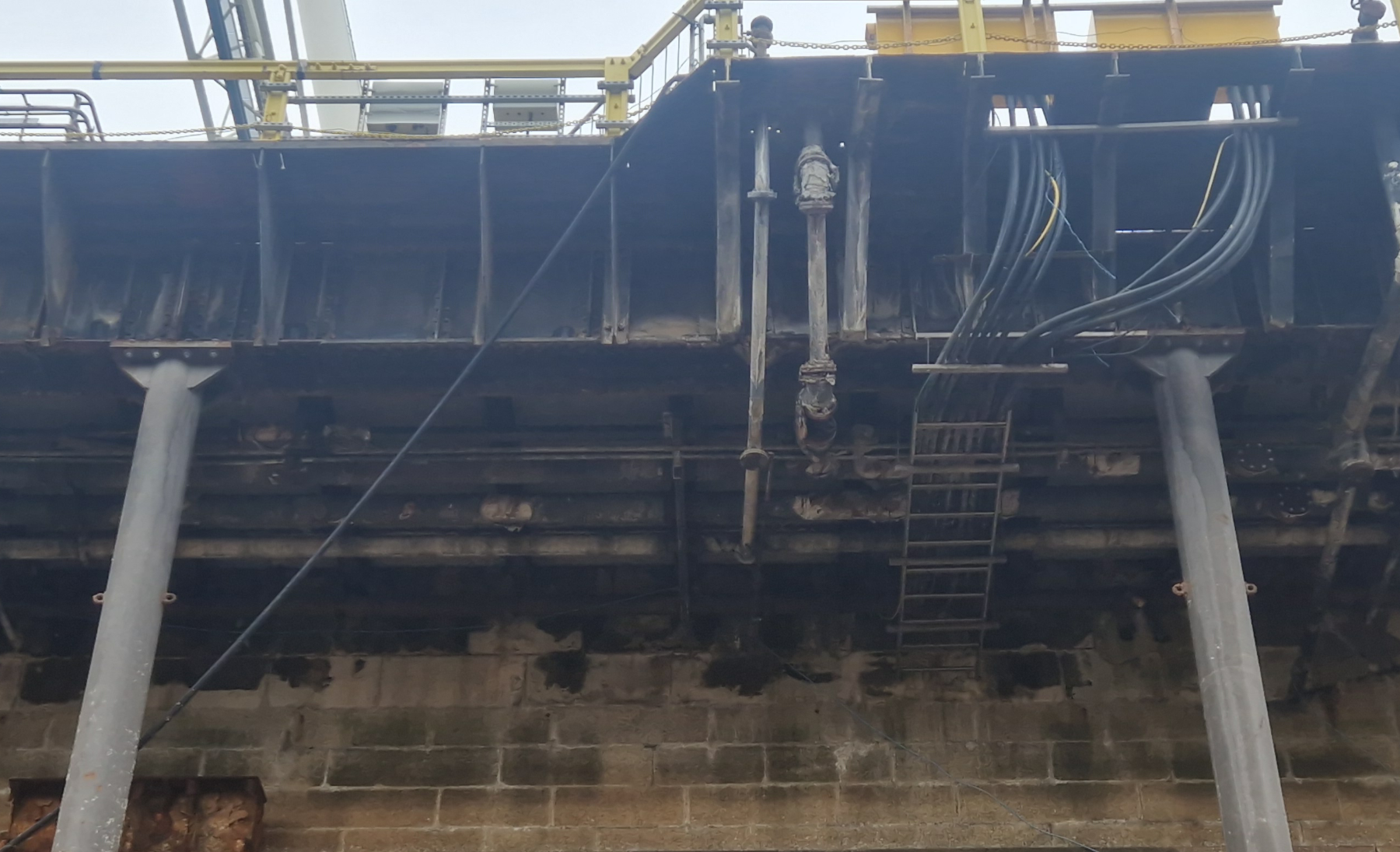
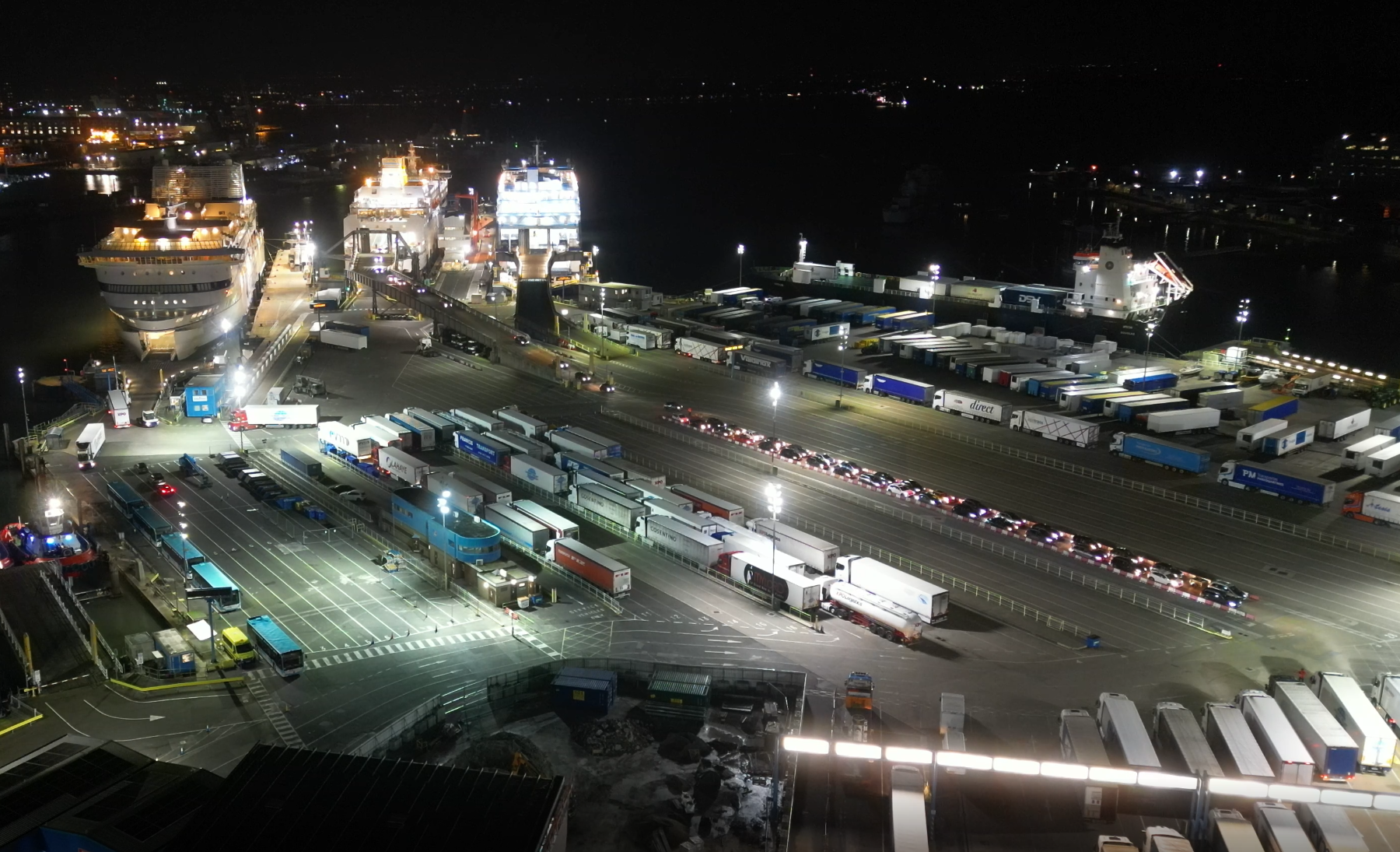
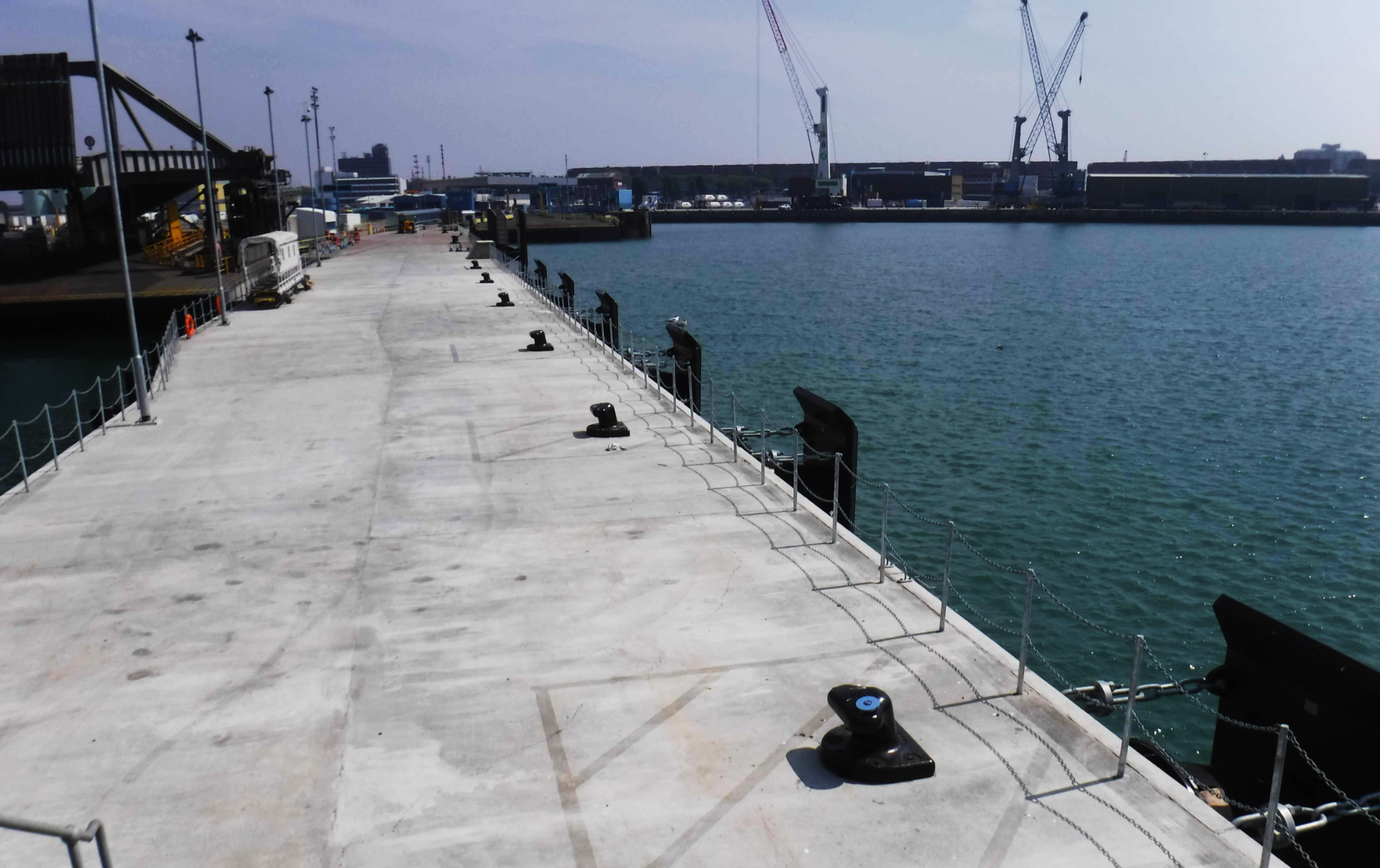
Portsmouth International Port engaged Attis and Integrity Testing (Pty) Ltd. to evaluate the capacity of critical mooring infrastructure and determine the maximum size of vessel that could be safely accommodated at the berth. The assessment was designed to provide operational certainty while supporting safe and efficient port operations.
Client:
Location:
Service:
Portsmouth International Port
Non-destructive Testing

The Challenge
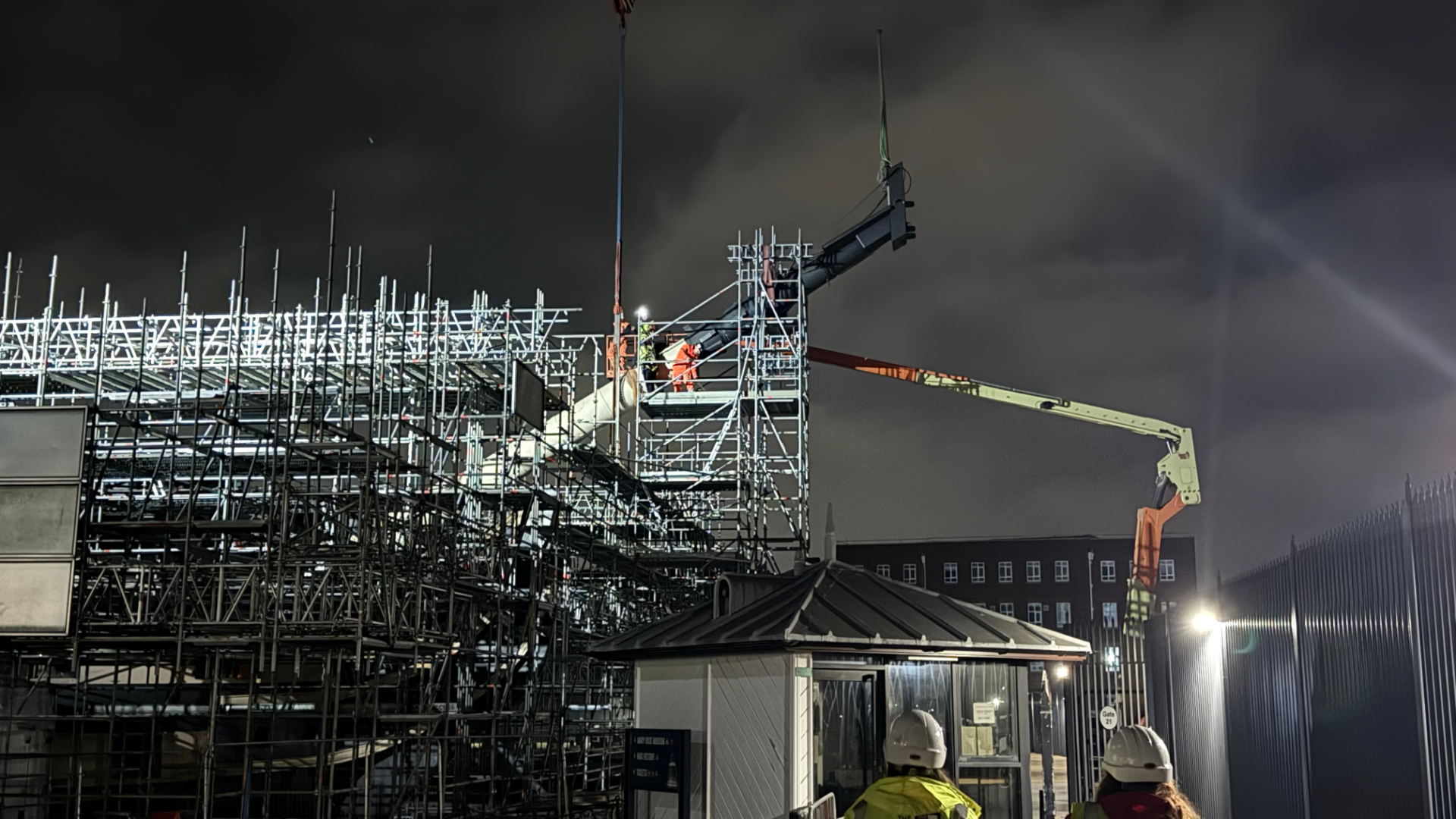
Removing the masts from the world's oldest commissioned warship presented a unique combination of engineering, operational and heritage risks. The project involved lifting irreplaceable historic structures using a 750-tonne crane and specialist lifting equipment, with all works carried out overnight to maintain a controlled and safe working environment.
The client needed independent engineering assurance to validate the lifting strategy, manage project risks and support the safe execution of this highly complex operation.
Our approach
Attis provided engineering and safety expertise throughout the planning and delivery phases of the project. Acting as a trusted advisor and critical friend, we helped finalise the mast lift safety case, provided ongoing assurance, monitored progress and supported the project team throughout the overnight lifting operation.
The Challenge
Port operators required a clear understanding of the limitations of their existing berth infrastructure to ensure vessels could be berthed and moored safely under a range of operational and environmental conditions.
The assessment needed to:
- Verify the load capacity of existing bollards.
- Establish the maximum berthing energy the jetty could withstand.
- Determine the largest vessel that could safely use the berth.
- Evaluate the effects of vessel approach speed and angle.
- Assess the impact of wind speed and direction on moored vessels.
- Present findings in a practical format for operational teams.
The client needed independent engineering assurance to
enable safer operations, informed decision-making and greater confidence in port infrastructure performance.
Our approach
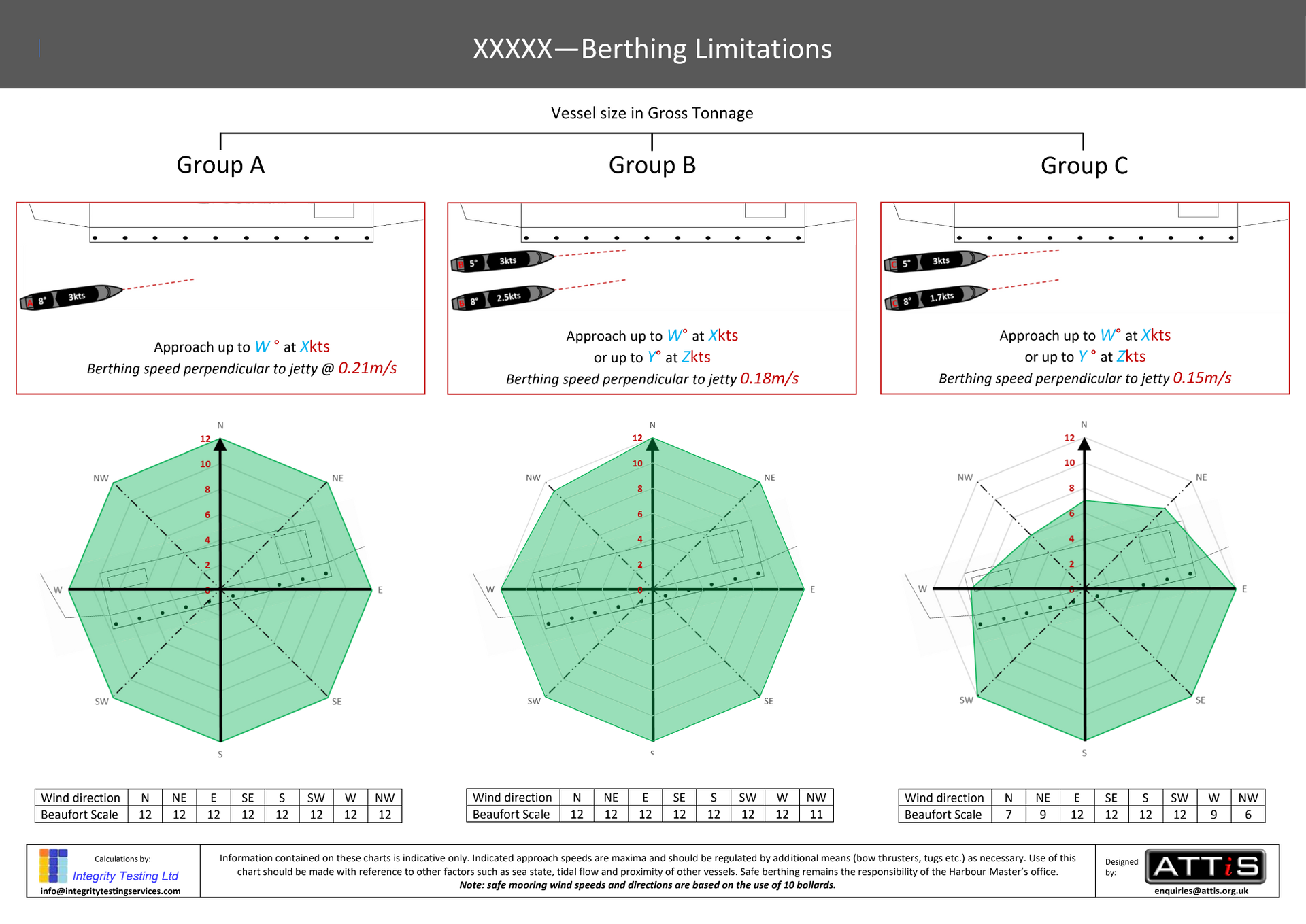
Attis undertook a comprehensive testing and analysis programme to assess bollard capacities and evaluate berthing performance under varying operational scenarios. The study considered vessel size, approach characteristics, environmental loading and mooring forces to establish safe operating parameters for the berth.
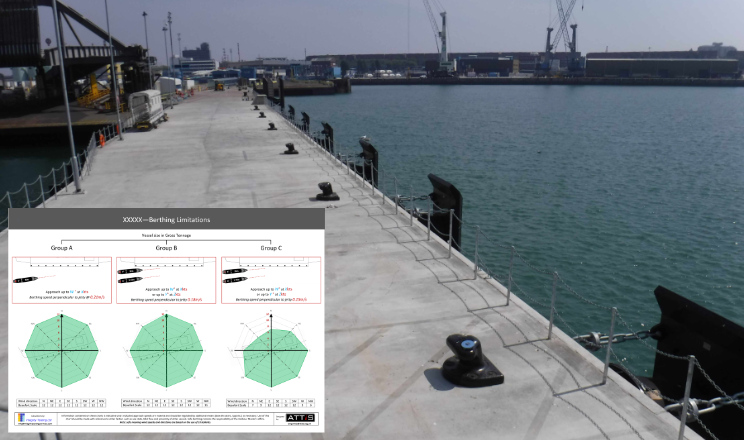
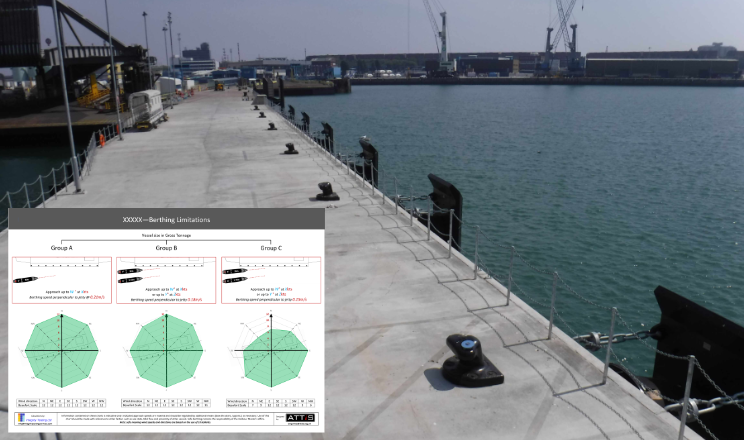
The results were transformed into clear visual guidance for port operators, enabling rapid operational decision-making and consistent application of berth limitations.

Outcomes
- Verified bollard capacities and berth performance limits.
- Defined safe vessel size limitations for the berth.
- Assessed acceptable vessel approach speeds and angles.
- Established wind speed and direction limits for different vessel classes.
- Produced an easy-to-use berthing limitations chart for operational teams.
- Delivered the assessment without disruption to ongoing port operations.
"The testing of the bollards was undertaken professionally and without impact to other port operations. This information was used to develop an easy to understand berthing limitations chart that identified maximum angles and speeds of approach as well as maximum wind speed and direction for mooring different classes of vessels."
Steve Watkyns
Technical Director, Portsmouth International Port