Border Control Point Project


Client:
Location:
Service:
Portsmouth International Port

Portsmouth

Principal Designer

Client:

Portsmouth International Port

Location:

Portsmouth

Service:

Principal Designer

What the client wanted

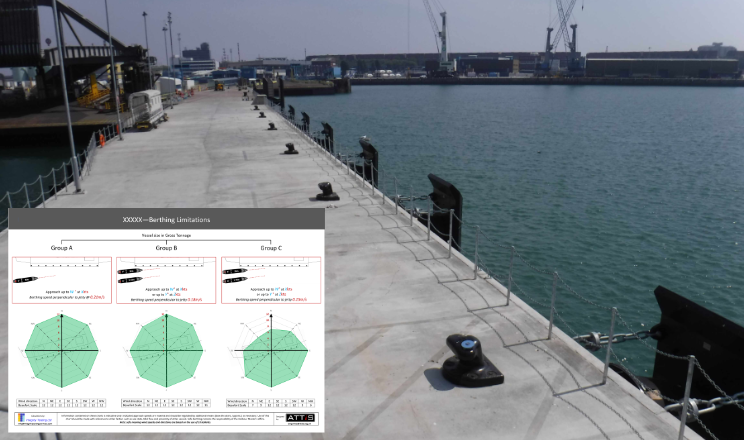
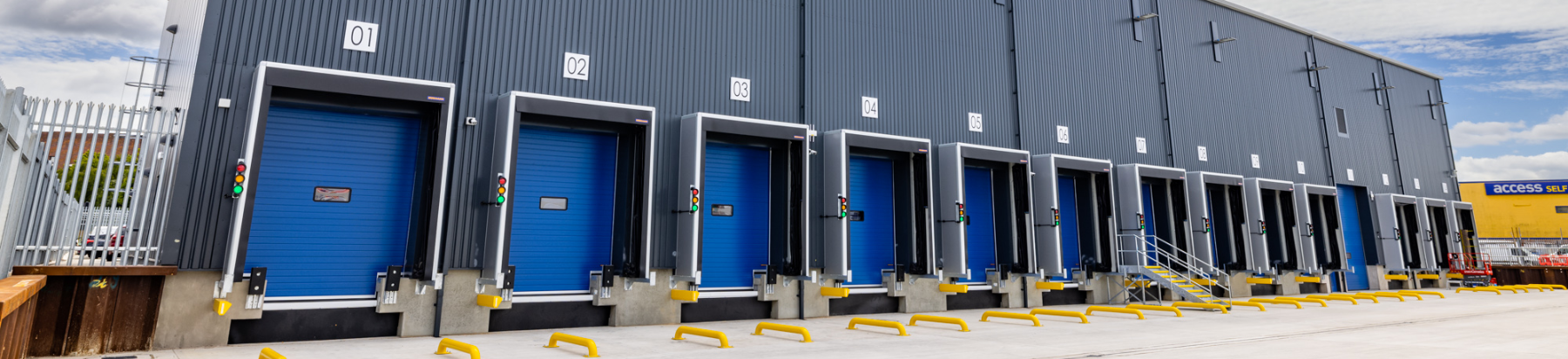
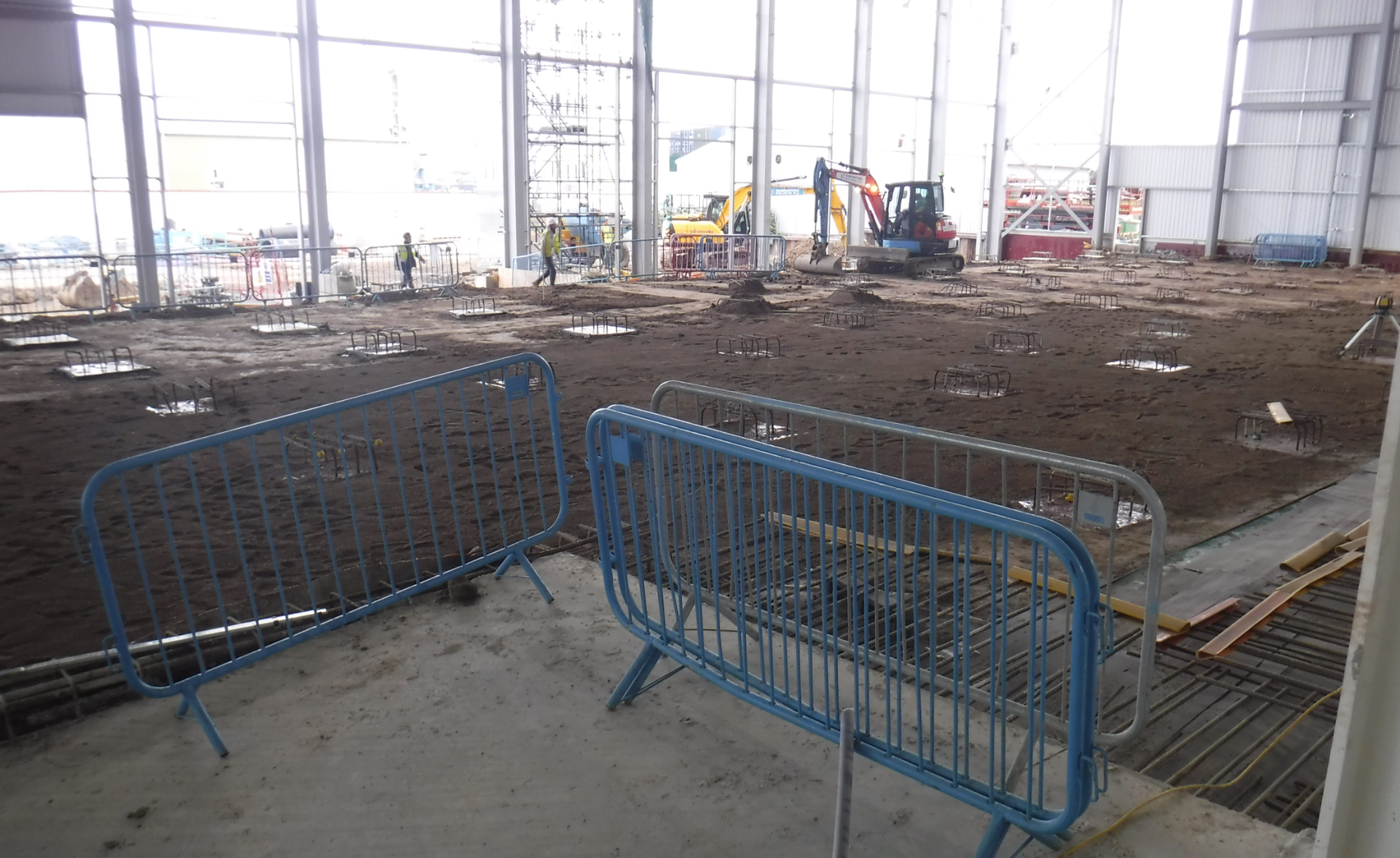
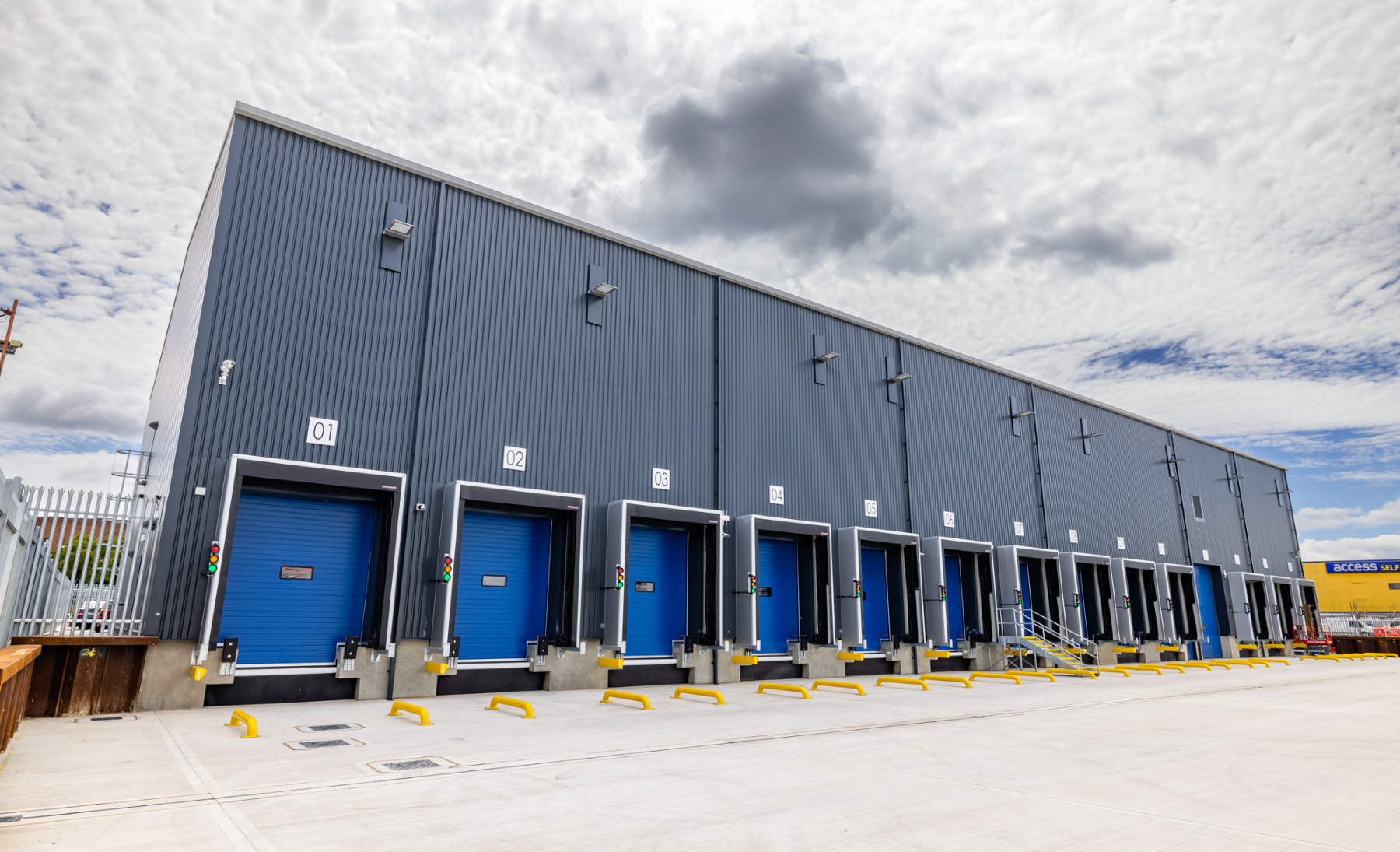
Following the UK's departure from the European Union, Portsmouth International Port required the development of a new Border Control Point (BCP) to support the inspection and processing of goods entering the UK. The facility needed to comply with evolving government requirements while maintaining port operations and providing the flexibility to accommodate future regulatory and operational demands.

The client required experienced CDM Principal Designer support to help manage the risks associated with the technical, operational, and compliance challenges associated with delivering a critical piece of port infrastructure for a wide range of government departments.

The Challenge

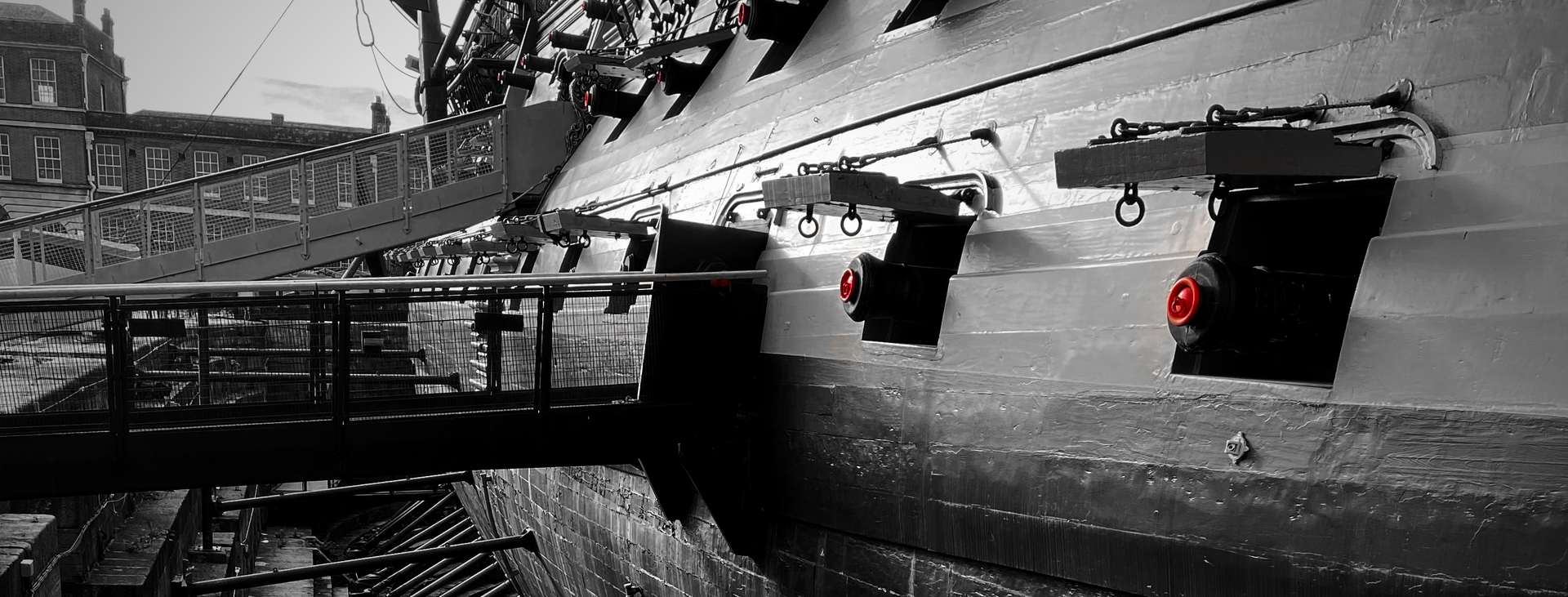
Removing the masts from the world's oldest commissioned warship presented a unique combination of engineering, operational and heritage risks. The project involved lifting irreplaceable historic structures using a 750-tonne crane and specialist lifting equipment, with all works carried out overnight to maintain a controlled and safe working environment. 


The client needed independent engineering assurance to validate the lifting strategy, manage project risks and support the safe execution of this highly complex operation.

Our approach

Attis provided engineering and safety expertise throughout the planning and delivery phases of the project. Acting as a trusted advisor and critical friend, we helped finalise the mast lift safety case, provided ongoing assurance, monitored progress and supported the project team throughout the overnight lifting operation. 

The Challenge

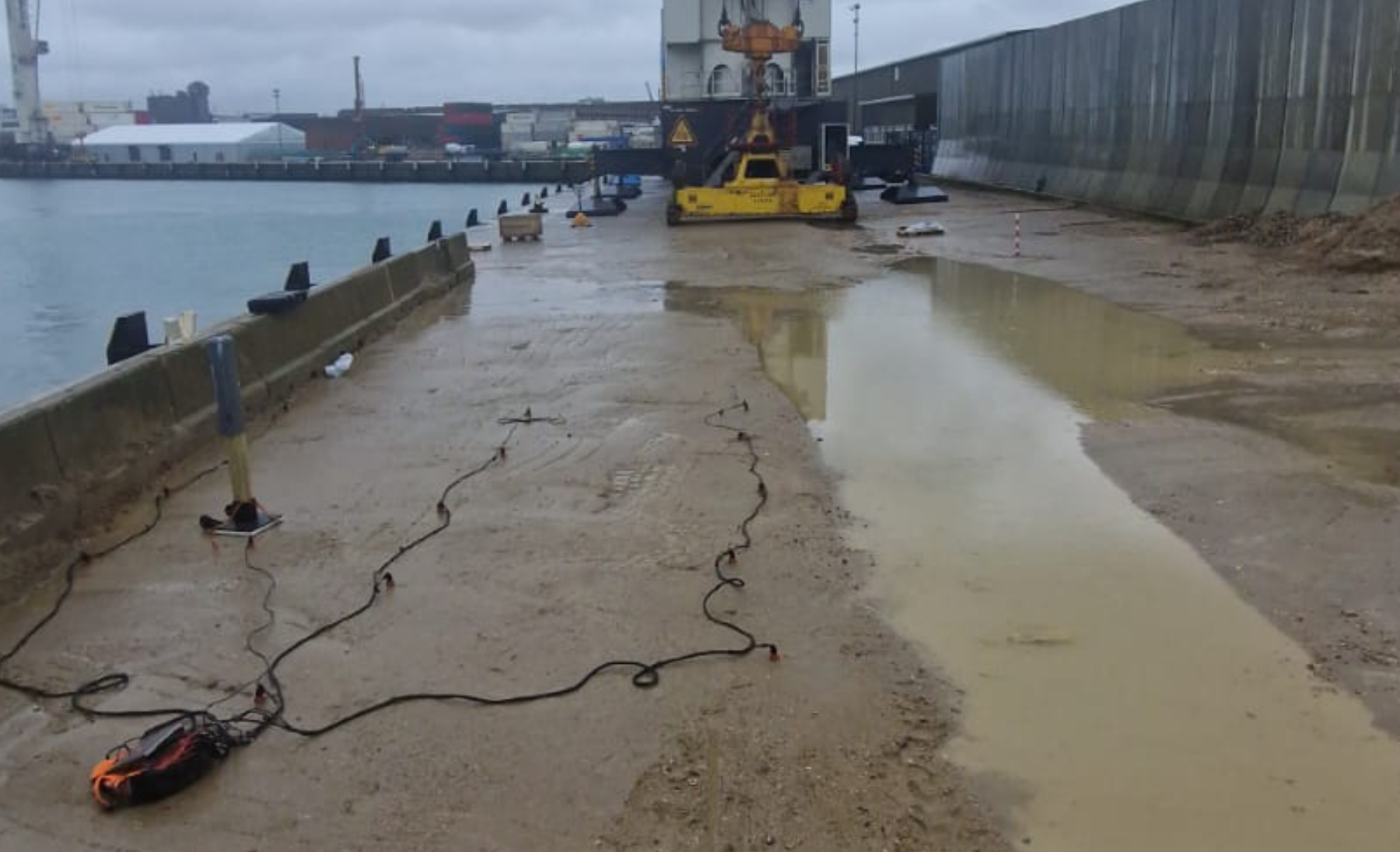
The Border Control Point needed to be developed within a live operational port environment against a backdrop of challenging post-Brexit legislation and evolving inspection requirements driven mostly by the Department of the Environment, Food & Rural Affairs (DEFRA), and the Animal and Plant Health Agency (APHA). The project required careful consideration of operational efficiency, stakeholder needs, regulatory compliance, construction safety, and long-term asset management.


Key challenges included managing design and construction risks, maintaining operational continuity, coordinating multiple stakeholders, and ensuring that future inspection, maintenance, and operational requirements were fully considered throughout the project lifecycle.


The challenge was exacerbated due to the limitations set during the COVID lock down, where increased restrictions were enforced to ensure that the likelihood of spreading COVID was reduced to an absolute minimum.

Our Approach

Attis provided independent engineering, health & safety, and project advisory support throughout the development of the facility. Working closely with Portsmouth International Port and the wider project team, Attis reviewed designs, identified operational and safety risks, and challenged technical solutions to ensure the facility could be safely constructed, commissioned, and operated.


Drawing upon multidisciplinary engineering experience, Attis considered the full asset lifecycle, including design, construction, validation, maintenance, future modification, and day-to-day operation. Attis also supported project governance and stakeholder engagement activities, helping to align technical decisions with operational requirements, regulatory obligations, and programme objectives.


This collaborative approach helped reduce project risk, improve stakeholder confidence, and ensure health and safety considerations remained embedded throughout the project while supporting the successful delivery of a strategically important facility for the Port. 


Outcomes

  • Supported the successful delivery of a strategically important Border Control Point facility. 
  • Assisted the client in meeting complex and evolving post-Brexit regulatory requirements. 
  • Provided independent engineering and health & safety assurance throughout project delivery. 
  • Identified and reduced design, construction, operational, and maintenance risks. 
  • Improved collaboration and decision-making across stakeholders, designers, contractors, and port operators.
  • Delivered a safe, efficient, and future-ready facility supporting the Port's long-term operational resilience and growth.


"The development of the Border Control Point represented a critical investment in the future operation of the Port. Attis provided valuable engineering, safety, and project support throughout the programme, helping us manage risk, challenge solutions, and deliver a facility capable of meeting both current and future operational requirements."

Steve Watkyns

Head of Engineering, Portsmouth International Port

Case Studies

By Andy Painting • November 12, 2026
Client: Location: Service:
By Andy Painting • November 12, 2026
Client: Location: Service:
By Andy Painting • November 8, 2026
Client: Location: Service:
By Andy Painting • November 8, 2026
Client: Location: Service:
By Karl Salter • November 7, 2026
Client: Location: Service:
By Karl Salter • November 7, 2026
Client: Location: Service:
By Karl Salter • November 7, 2026
Client: Location: Service: