


Hampton Court Palace Wooden Floor Testing


What the client wanted

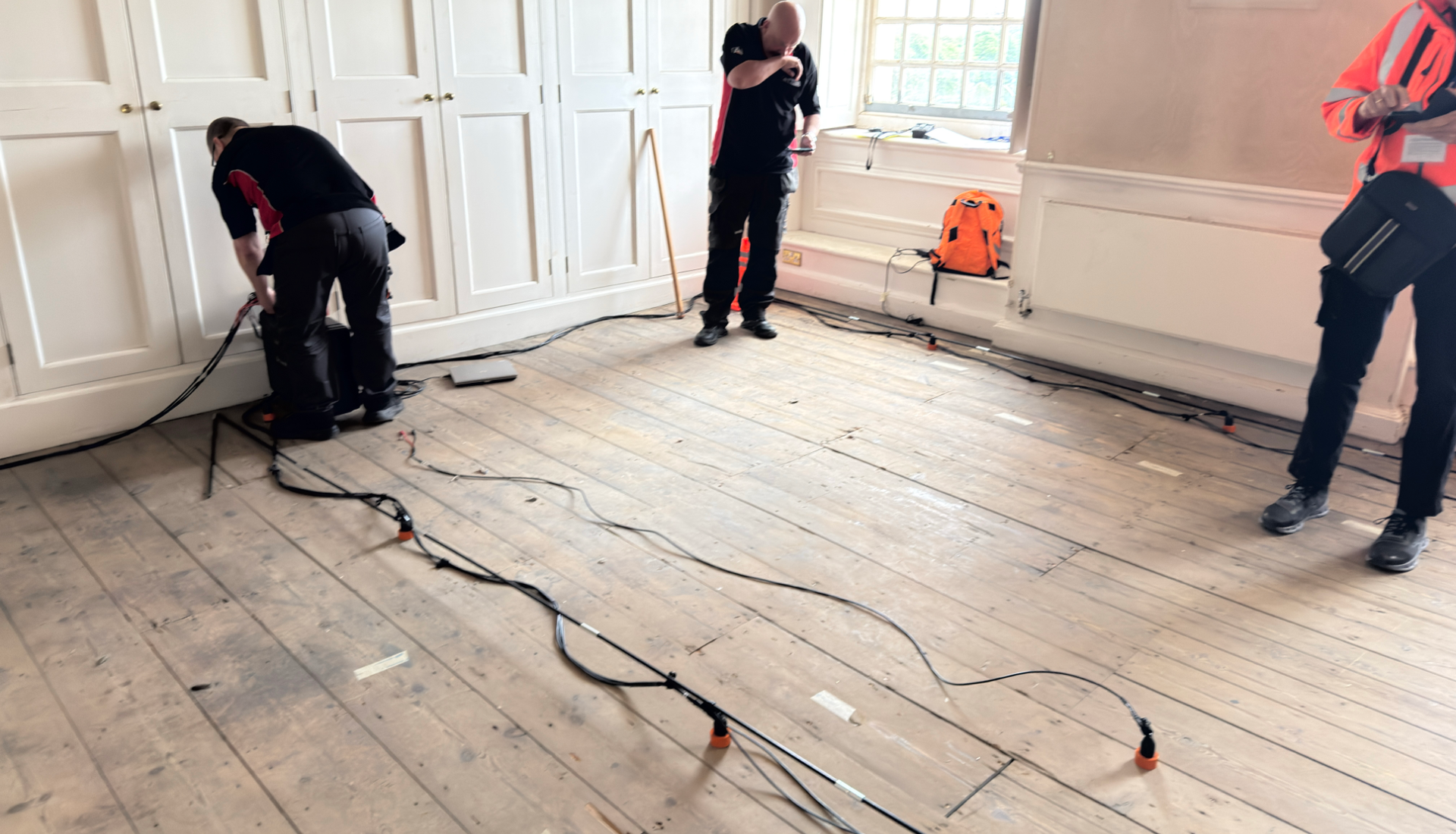
Attis was invited to Hampton Court Palace to demonstrate an innovative, non-destructive testing methodology on a historic timber floor within a part of the palace designed by Sir Christopher Wren. The objective was to assess the structural condition of the floor while preserving the integrity of this nationally significant heritage asset. 

Client:
Location:
Service:

Historic Royal Palaces

Hampton Court Palace

Non-destructive Testing

The Challenge

Removing the masts from the world's oldest commissioned warship presented a unique combination of engineering, operational and heritage risks. The project involved lifting irreplaceable historic structures using a 750-tonne crane and specialist lifting equipment, with all works carried out overnight to maintain a controlled and safe working environment. 


The client needed independent engineering assurance to validate the lifting strategy, manage project risks and support the safe execution of this highly complex operation.

Our approach

Attis provided engineering and safety expertise throughout the planning and delivery phases of the project. Acting as a trusted advisor and critical friend, we helped finalise the mast lift safety case, provided ongoing assurance, monitored progress and supported the project team throughout the overnight lifting operation. 

The Challenge

Historic timber structures present unique challenges for engineers. Traditional assessment methods often rely on assumptions about material properties or require intrusive investigations that can risk damaging fragile heritage fabric.


The client required a reliable method to:


  • Assess the condition and performance of an historic wooden floor.
  • Determine structural stiffness and residual strength.
  • Avoid intrusive investigations or damage to the building fabric.
  • Generate accurate data to support informed conservation decisions. 


The client wanted to compare the accuracy of the non-destructive testing results against their calculated figures.

Our approach

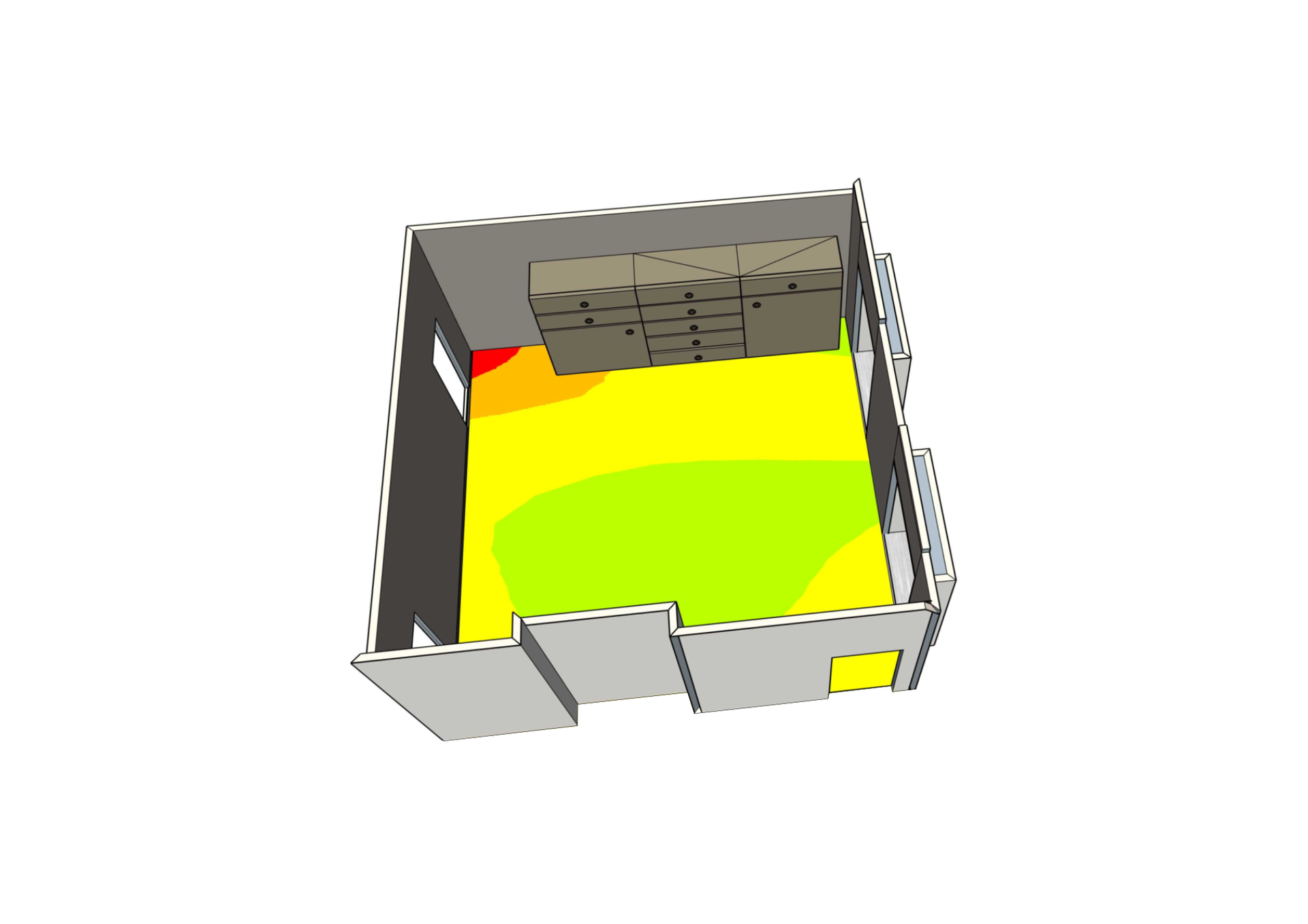
We applied our advanced frequency response testing methodology to measure the dynamic behaviour of the floor structure. By analysing structural stiffness, the technique enables engineers to determine residual strength without relying solely on assumptions regarding age, condition or timber properties.


Importantly, the assessment was completed using a fully non-destructive approach, making it ideally suited to sensitive heritage environments where preservation is paramount.


Outcomes

  • Accurate assessment of the floor's structural performance. 
  • Reliable data on stiffness and residual strength. 
  • Zero damage to the historic building fabric. 
  • Evidence-based information to support future conservation and maintenance decisions. 
  • Demonstration of a modern engineering solution for heritage asset management. 
  • Providing data-driven structural assurance without compromising the integrity of historic structures.


"The project demonstrated how advanced non-destructive testing can provide meaningful structural insight while protecting irreplaceable heritage assets. By combining engineering innovation with a conservation-led approach, Attis helped deliver the data needed to support the long-term stewardship of one of the UK's most iconic historic buildings."

Dr Andy Painting

Director - Attis

Case Studies

By Karl Salter • May 13, 2026
HMS Victory; NMRN; Safety
By Karl Salter • February 20, 2026
Portsmouth Naval Base – Gantry Structural Assessment
By Karl Salter • May 19, 2025
A unique opportunity
By Karl Salter • May 7, 2025
Reasons for bollard testing
By Karl Salter • February 26, 2025
Portsmouth Naval Base - Mooring Furniture Testing
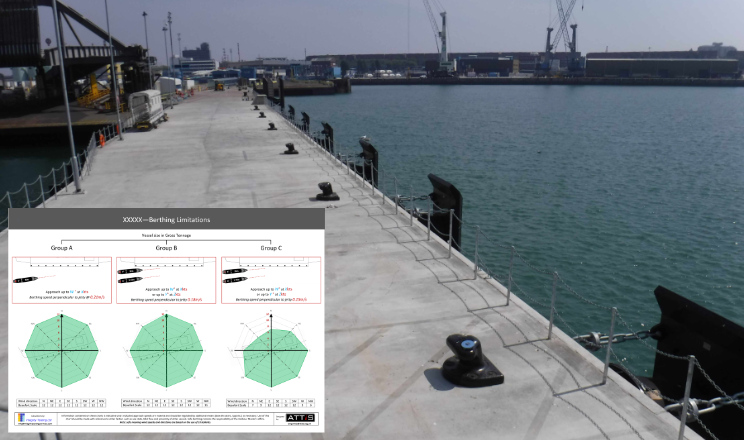
By Karl Salter • February 29, 2024
Bollard testing and berthing capacity analysis

By Karl Salter • February 9, 2024
East - West improvements
By Karl Salter • September 6, 2023
Attis proudly announce their delivery of a key element of a port’s development

By Karl Salter • February 12, 2023
Designing out the risk
By Karl Salter • February 2, 2023
Using the CODA technique
Show More